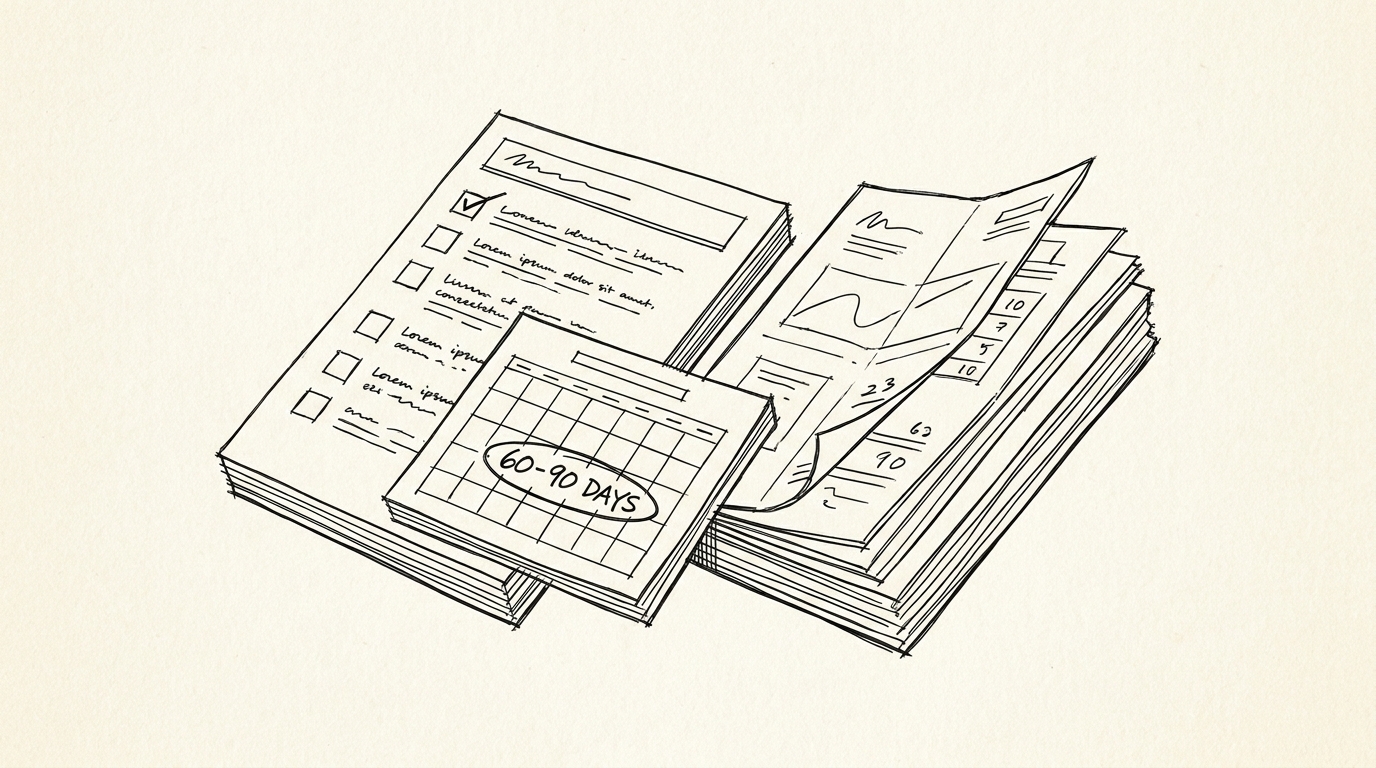
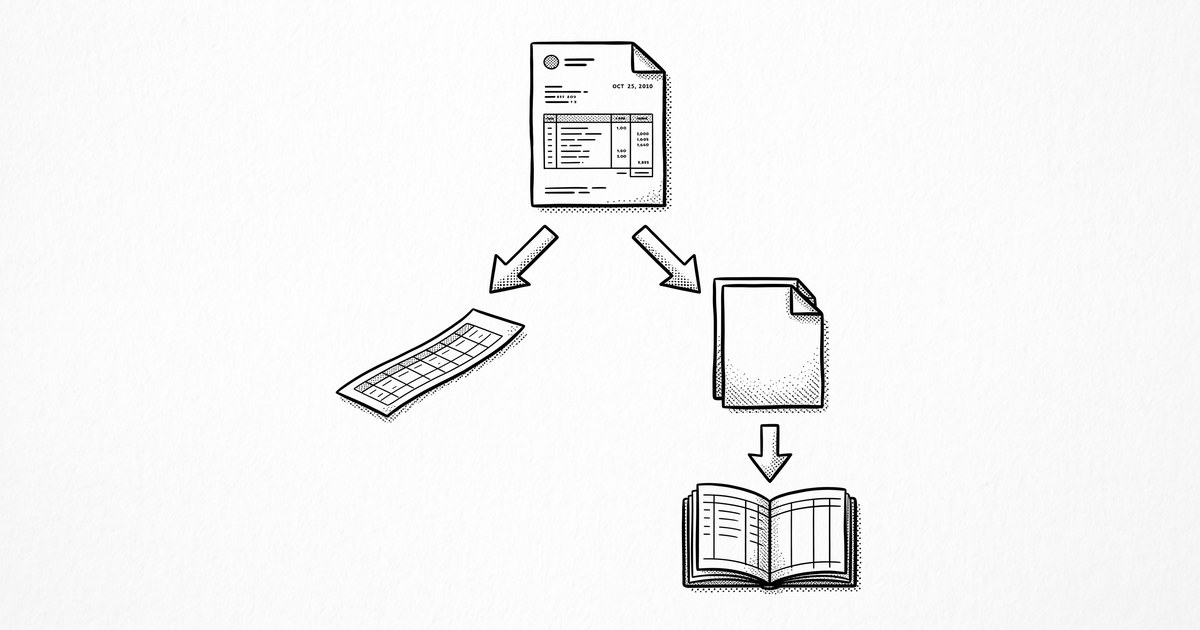
A bank statement loan uses 12-24 months of bank deposits to verify your income instead of W-2s and tax returns. The trade-off: bank statement loans
A traditional mortgage uses your tax returns, which is harder for self-employed borrowers with high business expenses and low taxable income. The right choice depends on your income type, your documentation, and your timeline. Most self-employed borrowers benefit from a bank statement loan when their tax returns understate their actual income.
TL;DR. Bank statement loans use 12-24 months of personal or business bank deposits to qualify you for a mortgage. Traditional mortgages use 2 years of tax returns and W-2s. Bank statement loans have 0.5-1.0% higher rates but easier qualification for self-employed borrowers. The typical requirement: 12-24 months of consecutive statements, 2+ years in business, 10-20% down payment, and 620+ credit score. The 4 mistakes that cause denials: mixed personal/business accounts, undocumented large deposits, unreconciled discrepancies, and inconsistent monthly deposits.
What Is a Bank Statement Loan
A bank statement loan is a mortgage product that uses 12-24 months of personal or business bank deposits to calculate your qualifying income, instead of using tax returns. The lender reviews your bank statements, identifies the regular monthly deposits (typically business income), and uses the average to qualify you for the loan.
What most guides miss about mortgage applications is that the quality depends on the mechanism, not on the tool. Two tools that look different on the surface often run the same 4-step process underneath: read, find, parse, verify. The difference is in how well each step handles edge cases (merged cells, missing balances, non-standard date formats, scanned vs digital input). Choosing between tools based on UI alone misses the actual quality lever.
The loan is designed for self-employed borrowers (1099 contractors, freelancers, small business owners) who have strong actual income but low taxable income due to business deductions. A traditional mortgage uses the tax return’s net income, which understates the borrower’s true cash flow. The bank statement loan uses the deposits, which reflect the actual cash flow.
Bank statement loans are offered by:
- Portfolio lenders: Banks that hold the loan in their own portfolio. They can be flexible with the documentation requirements because they don’t sell the loan to Fannie Mae or Freddie Mac.
- Non-QM lenders: Non-Qualified Mortgage lenders that specialize in non-traditional documentation. The loan is typically sold to investors, not held.
- Some credit unions: A few credit unions offer bank statement loans to members with strong banking relationships.
Bank statement loans are not available from the largest banks (Wells Fargo, Bank of America, Chase) for primary residences. They are available for investment properties at some of these banks.
Bank Statement Loan vs Traditional Mortgage

The 7 key differences:
- Documentation: Bank statement loans use 12-24 months of bank statements. Traditional mortgages use 2 years of tax returns and W-2s (for W-2 employees) or 2 years of personal and business tax returns (for self-employed).
- Income calculation: Bank statement loans use average monthly deposits. Traditional mortgages use net taxable income (line 31 on Form 1040 Schedule C, or net business income for corporations).
- Down payment: Bank statement loans typically require 10-20% down (vs 3-5% for traditional). Some lenders require 25-30% for self-employed borrowers with less than 2 years in business.
- Interest rate: Bank statement loans are typically 0.5-1.0% higher than traditional mortgages. The higher rate reflects the higher risk of the non-traditional documentation.
- Credit score: Bank statement loans typically require 620+ credit score (vs 580-620 for traditional FHA). The credit score threshold is similar; the documentation is the difference.
- Time in business: Bank statement loans typically require 2+ years in business (vs 2+ years of tax returns for traditional). The 2-year requirement can sometimes be waived with strong compensating factors.
- Closing time: Bank statement loans typically take 45-60 days to close (vs 30-45 days for traditional). The extra time is for the underwriter to review the bank statements.
The trade-off in one sentence: bank statement loans accept harder-to-document income in exchange for higher rate, higher down payment, and slower close.
Turn That PDF Into a Spreadsheet in Minutes
You've seen how to do it manually — now let the tool handle the heavy lifting. Upload your bank statement and get Excel, CSV, or QBO in a few clicks.
Try It FreeThe 5 Requirements for a Bank Statement Loan
5 things the lender will check:
1. 12-24 months of bank statements. Personal, business, or both. The lender wants to see consistent monthly deposits that represent your qualifying income. Most lenders require 12 months; some require 24 months for self-employed borrowers with less than 2 years in business.
2. 2+ years in business. The lender wants to know the business is established and not a startup. The 2 years is measured from the date the business was registered with the state, or from the date of the first 1099 income, whichever is earlier.
3. 10-20% down payment. The down payment can come from savings, investments, or gifts (with a gift letter). The down payment verifies that you have the financial discipline to save. Some lenders require 25-30% for self-employed borrowers with credit scores below 680.
4. 620+ credit score. The minimum credit score for most bank statement loans is 620. Some lenders require 680+ for the best rates. A 740+ credit score unlocks the best pricing.
5. 2-3 months of reserves. The lender wants to see 2-3 months of mortgage payments in savings or investments after the down payment and closing costs. The reserves verify that you can handle the mortgage if your income drops temporarily.
How Lenders Calculate Qualifying Income from Bank Statements
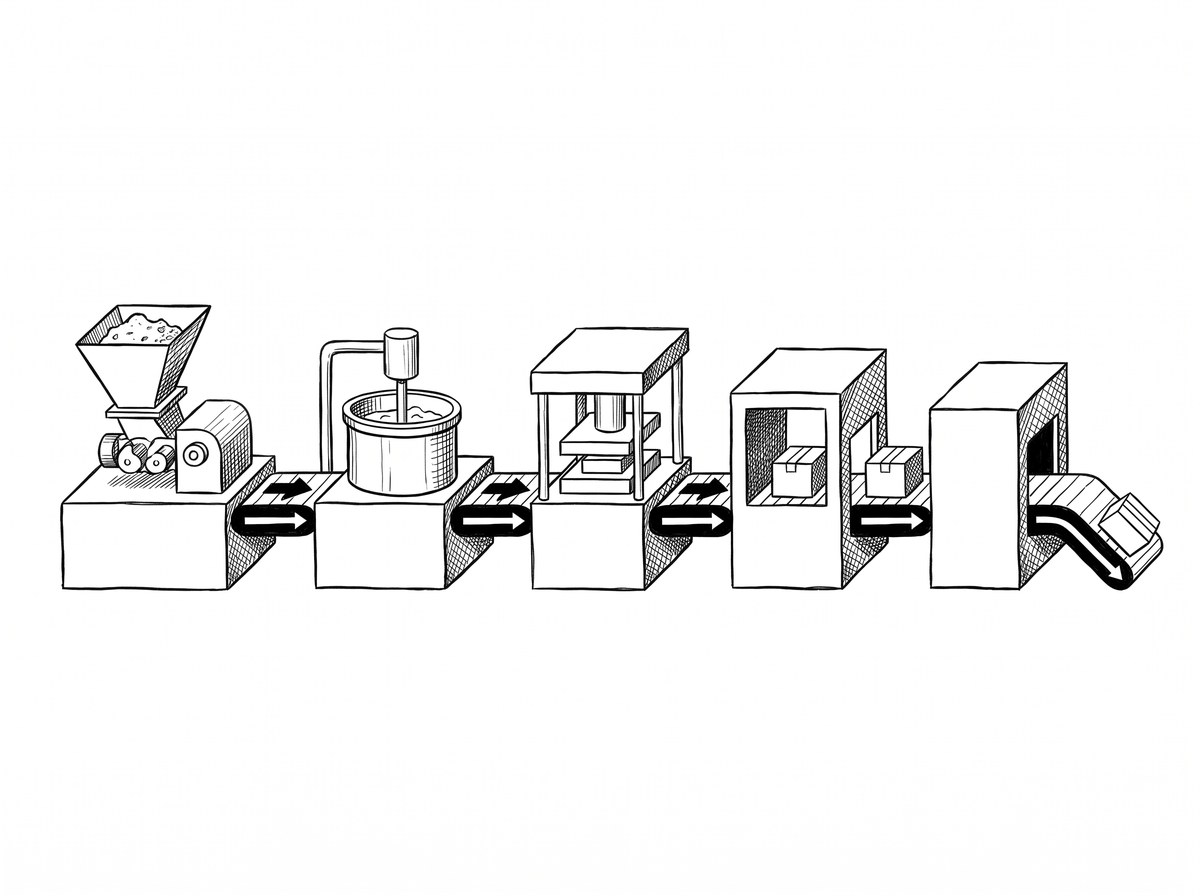
The lender uses one of 3 methods to calculate your qualifying income from the bank statements:
Method 1: Average monthly deposits (most common). The lender sums all deposits over 12 or 24 months, divides by the number of months, and uses the average as your monthly qualifying income. Withdrawals are not subtracted; only deposits are counted. For a borrower with $20K/month in deposits, the qualifying income is $20K/month.
Method 2: Net deposits (less common). The lender sums all deposits, then subtracts all withdrawals that are clearly business expenses (office rent, software subscriptions, contractor payments). The remainder is treated as income. This method is more accurate but requires more documentation.
Method 3: Expense factor (for business accounts). The lender applies an expense factor (typically 50%) to the gross deposits to account for business expenses. For a business account with $40K/month in deposits, the qualifying income is $20K/month (after the 50% expense factor). The expense factor is the lender’s estimate; the borrower’s actual expenses may differ.
Most lenders use Method 1 (average deposits) for personal accounts and Method 3 (expense factor) for business accounts. The expense factor is typically 50% for service businesses and 30% for product businesses.
The 4 Mistakes That Cause Bank Statement Loan Denials
4 mistakes that consistently cause denials:
1. Mixed personal and business in one account. When the borrower uses a personal account for business deposits, the lender can’t tell which deposits are business income. The result: the lender either denies the loan or counts all personal transfers as income (which inflates the qualification and may lead to a higher payment than the borrower can afford). The fix: keep personal and business in separate accounts.
2. Undocumented large deposits. A deposit of $20K from an unknown source is a red flag. The lender will ask for the source. If the source is a loan, a transfer from another account, or a sale, the borrower needs to document it. If the source is unreported income (which the lender can’t count for qualification), the deposit is excluded and the average monthly income drops. The fix: document every large deposit before applying.
3. Inconsistent monthly deposits. The lender wants to see consistent monthly deposits that represent stable income. If the borrower’s deposits are $5K in some months and $30K in others (seasonal business), the lender averages them, but the average may be lower than the borrower’s actual cash flow. The fix: present 24 months of statements to show the seasonal pattern clearly.
4. Unreconciled discrepancies. When the bank statement shows $300K in deposits but the tax return shows $200K in gross receipts, the $100K discrepancy is a red flag. The lender will ask for an explanation. The fix: reconcile the bank deposits to the tax return before applying, and be ready to explain the difference (typically transfers, refunds, or capital injections that aren’t income).
Bank Statement Loan Process: Step by Step
The 7 steps from application to closing, typically 45-60 days:
- Application (Day 1): Submit the loan application with basic information (name, SSN, property, income estimate).
- Documentation (Day 1-7): Provide 12-24 months of bank statements, 2 years of business tax returns, business license, and any other requested documents.
- Underwriting (Day 7-30): The underwriter reviews the documents, calculates qualifying income, runs the credit check, and orders the appraisal.
- Appraisal (Day 30-40): The appraiser visits the property and provides an opinion of value. The appraisal must support the purchase price.
- Conditional approval (Day 35-45): The lender issues a conditional approval with any remaining conditions (additional documentation, repairs, etc.).
- Conditions cleared (Day 40-50): The borrower provides the remaining documentation, the title company prepares the closing documents.
- Closing (Day 45-60): The borrower signs the loan documents, the lender funds the loan, the title transfers.
The 45-60 day timeline is longer than the 30-45 day traditional mortgage timeline. Plan accordingly, especially if you have a contract contingency deadline.
A common failure mode bookkeepers report is treating this as a single operation rather than a chain of dependent steps. The temptation is to find a tool that ‘just works’ and stop investigating the mechanism. The result is a wrong-fix cycle: the tool gives partial output, the bookkeeper spends 30+ minutes troubleshooting, the fix is for the wrong step, and the same error recurs on the next statement. The fix: identify which step failed and apply the right intervention to that step.
Start with the Statements
The first step in a bank statement loan application is to get 12-24 months of statements in a clean, organized format. The bank statement converter handles the PDF-to-Excel conversion in 2-5 minutes per statement, with no upload to a server, which is the safest option for sensitive financial data.
For the self-employed mortgage context, see the self-employed mortgage application guide. For combining multiple months of statements, see the combine multiple bank statements guide. For the 6-24 month bank statement requirement, see the mortgage application bank statement guide. For the underlying data extraction, see the bank statement data extraction workflow.
For more on this, see the bank statement audit response page.
Turn any PDF statement into a clean sheet
Skip the typos and the hours of copying. Our converter handles any bank statement format and outputs Excel, CSV, or QBO for QuickBooks. No file retention, free to try.
Convert your statement