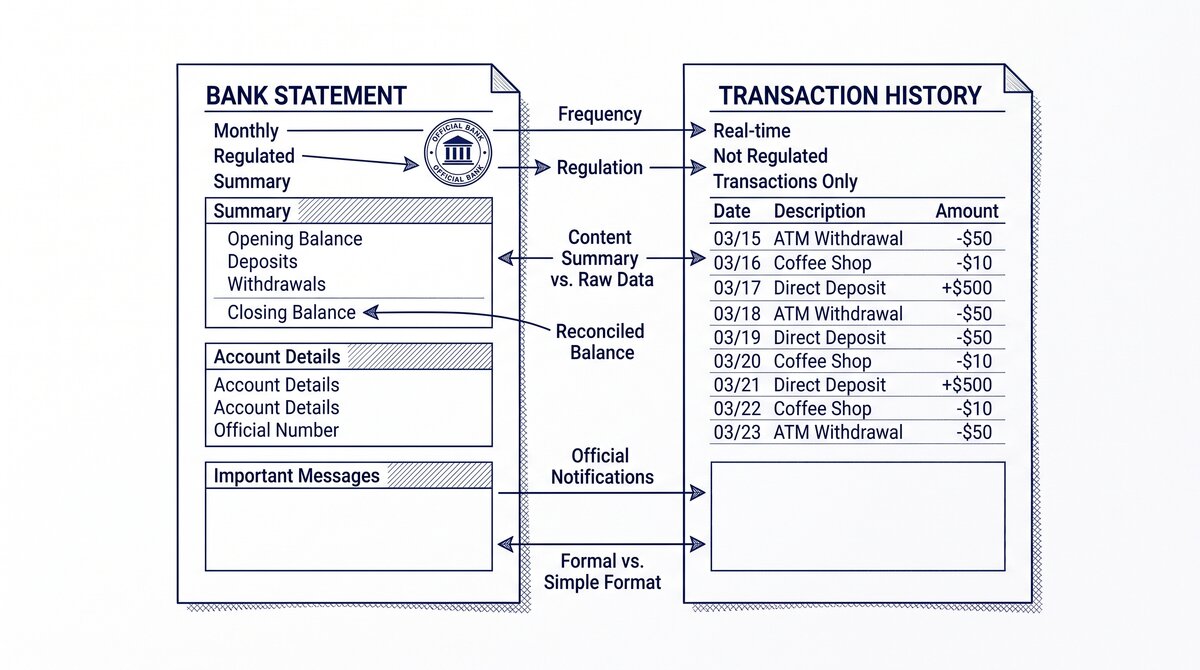

The eviction appeal process gives tenants a second chance to challenge a judgment, and bank statements often become the evidence that decides whether a stay of execution is granted and whether rent can be paid during the appeal. Timelines are short, bonds are usually required, and courts may ask for proof of funds. Both tenants and landlords benefit from knowing the steps, the paperwork, and the financial documentation involved.
An appeal is not a retrial of facts in most courts. It reviews whether the lower court applied the law correctly. That means the record, including the lease, payment history, and bank statements, matters more than new testimony.
Bank statements enter the process in two ways: as proof of ability to pay a bond or ongoing rent, and as evidence of payment history that supports the tenant’s account of what happened.
Most states allow tenants 30 days to appeal an eviction judgment, and a stay of execution pending appeal is commonly conditioned on posting a bond that may be supported by bank statements showing available funds.
Key facts. Tenants can appeal eviction judgments within 30 days in most states under state court rules. A stay of execution can be granted pending appeal if the tenant posts a bond, under court procedure. Bank statements may be required to show ability to pay during appeal, at the court’s discretion. Legal aid organizations provide free eviction defense through the Legal Services Corporation. Eviction records remain on tenant screening reports even after a successful appeal, per the CFPB.
30 days is the typical window to file an appeal, and missing it usually ends the right to challenge the judgment.
Filing the appeal and the 30-day deadline
The clock starts when the judgment is entered, not when the tenant learns of it. Filing a notice of appeal within the state window preserves the right to challenge the decision. Late filings are generally dismissed without review.
Alongside the notice, tenants usually must request a transcript or the record from the lower court. That record becomes the basis for the appeal, so payment receipts and bank statements should be gathered early.
Stay of execution and the bond requirement
A judgment for possession does not immediately remove the tenant. A stay of execution pauses enforcement while the appeal proceeds, but courts commonly require a bond covering rent that accrues during the appeal.
The bond can be cash, a surety, or, in some courts, proof of funds shown through bank statements. Tenants who cannot post the bond risk enforcement continuing during the appeal.
Turn That PDF Into a Spreadsheet in Minutes
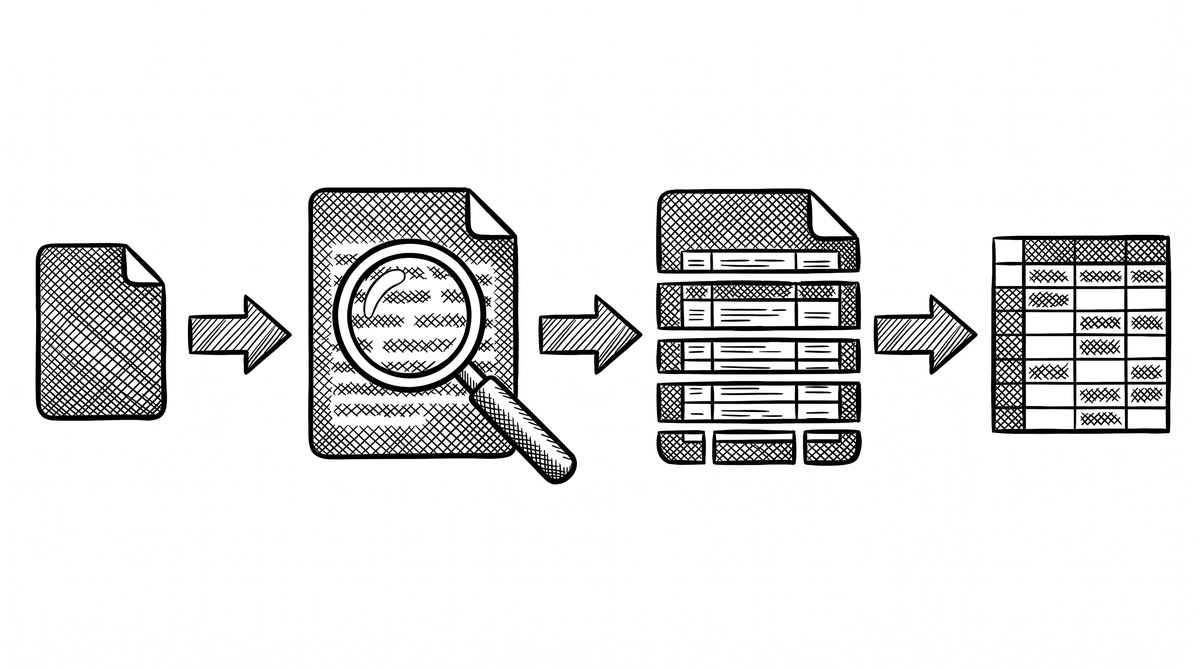
You've seen how to do it manually — now let the tool handle the heavy lifting. Upload your bank statement and get Excel, CSV, or QBO in a few clicks.
Try It FreeBank statements as proof of ability to pay
Courts may require bank statements to show that the tenant can pay the bond or ongoing rent. Statements covering recent months demonstrate income, balances, and the ability to meet obligations while the case is pending.
Landlords may also request statements to verify that rent arrears can be cured. Redacting unrelated transactions is often permitted, but the court sets the scope. See our guide on bank statement rental applications for redaction best practices.
Legal aid and free eviction defense
Legal Services Corporation-funded organizations provide free representation to eligible tenants. Early contact improves outcomes, since appeals require strict compliance with procedural rules and deadlines.
Legal aid attorneys can help assemble the record, request fee waivers, and negotiate payment plans that may satisfy the landlord and avoid prolonged litigation.
Screening report impact after a successful appeal
Even a successful appeal may not erase the filing from tenant screening reports. The CFPB notes that eviction records can persist and influence future rental applications, which is why bank statements and explanations matter during screening.
Tenants should request corrected reports and provide context. Landlords should apply criteria consistently and consider the outcome of the case, not just the filing. See eviction history screening for more on how records are used.
Landlord considerations during an appeal
Landlords should document rent ledgers, communications, and the basis for the eviction. Accurate records reduce the risk of reversal and support any claim for unpaid rent during the appeal.
Where a tenant cures arrears, landlords may consider settlement. Bank statements can substantiate a cure, and negotiated payment plans should be documented in writing.
Practical checklist
- Tenants: note the judgment date and calendar the 30-day appeal deadline.
- Gather lease, payment records, and recent bank statements.
- Ask legal aid about fee waivers and bond alternatives.
- Landlords: maintain a rent ledger and all notices served.
- Both parties: document any payment plan or settlement in writing.
For related scenarios, review fixing a bank statement after denial, applicant scenarios, special cases, and cosigner statements.
External references: CFPB rental housing and Legal Services Corporation.
From Bank Statement to QuickBooks-Ready File
That manual cleanup you just read about? This tool skips it. Turn your PDF into QBO for QuickBooks without storing your data anywhere.
Start Converting