
A lease guarantor is a person or entity who signs a guaranty agreement promising to pay rent and fulfill lease obligations if the tenant defaults. For landlords in competitive markets, a guarantor can be the difference between approving a borderline applicant and declining them. Bank statements are central to guarantor underwriting because they prove the guarantor has the liquidity and income to back the promise.
This guide explains what a lease guarantor is, the income and asset standards landlords apply, how bank statements are reviewed, the FCRA rules that govern consumer reports, and how a guarantor differs from a cosigner. It is educational, not legal advice. Laws vary by state and locality, so consult a licensed attorney before relying on any specific term.
What a lease guarantor is
A lease guarantor does not live in the unit and is not a tenant. They sign a separate guaranty agreement that makes them secondarily liable for rent and damages if the primary tenant fails to pay. The landlord can pursue the guarantor directly after a default, often without first exhausting remedies against the tenant.
Guaranties can be limited or unlimited. A limited guaranty caps the guarantor’s exposure at a fixed dollar amount or a set number of months of rent. An unlimited guaranty exposes the guarantor to the full lease obligation, including unpaid rent, damages, and legal fees. See the cosigner vs guarantor comparison for how the two roles differ in practice.
Income requirements: the 80x rent standard
In high-cost markets, especially New York City, the prevailing standard is that a guarantor must earn annual income equal to at least 80 times the monthly rent. For a $3,000 monthly rent, that means $240,000 in annual income. This is a market practice, not a statute, and it varies by landlord and market.
Other common thresholds include 40x to 60x monthly rent in lower-cost markets, or an asset-based test where the guarantor holds liquid assets equal to a multiple of the annual rent. Landlords often combine tests: income must clear a floor and assets must cover a buffer. Bank statements are the primary evidence for both.
Turn any PDF statement into a clean sheet
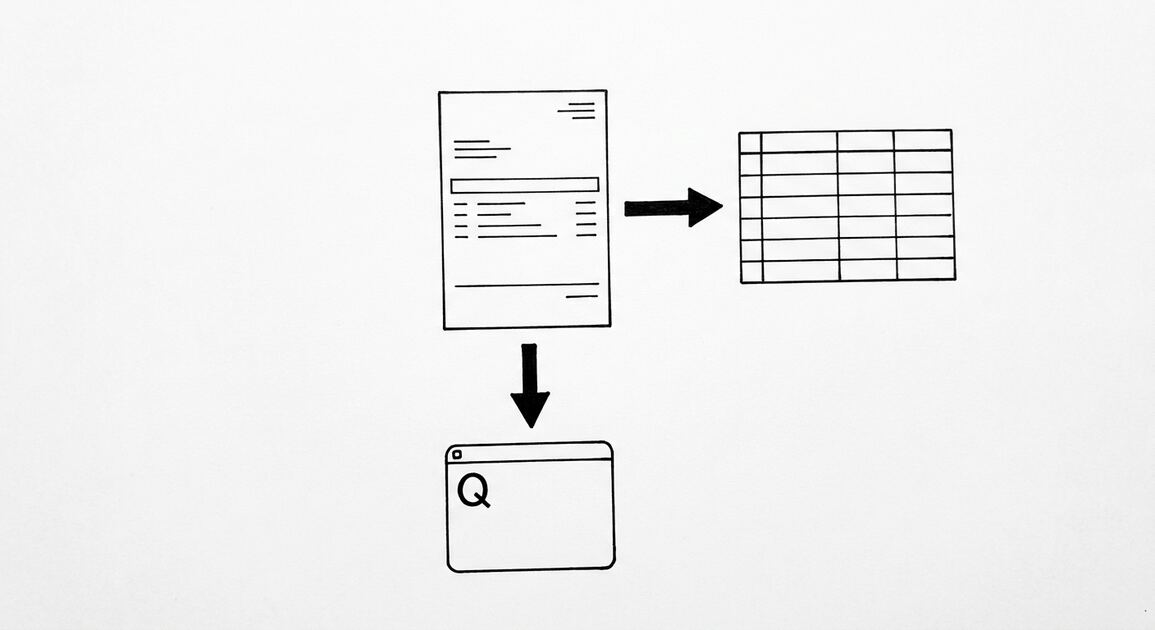
Skip the typos and the hours of copying. Our converter handles any bank statement format and outputs Excel, CSV, or QBO for QuickBooks. No file retention, free to try.
Convert your statementBank statement rules for guarantors
Guarantors are typically asked for two to three months of consecutive bank statements for all accounts used to qualify. Statements must show the account holder’s name, account number (often partially redacted), balances, and transaction history. Landlords look for consistent deposits that match claimed income, stable or growing balances, and no overdrafts or returned items.
Guarantors may also be asked for pay stubs, tax returns (W-2s or 1099s), and proof of other assets such as brokerage statements. Redaction rules still apply: guarantors can redact unrelated transactions but must keep income and balance lines visible. See the rental application bank statement guide for general redaction rights.

FCRA authorization and consumer reports
Under the Fair Credit Reporting Act (FCRA), a landlord must obtain written authorization before pulling a guarantor’s consumer report, including credit reports and tenant screening reports. The authorization must be clear and conspicuous, and the landlord must provide the guarantor with a copy of the report and an adverse action notice if the application is denied based on report contents. The FTC enforces these rules.
Guarantors should expect to sign a separate authorization form and may be asked to provide a copy of government-issued ID. Landlords who skip authorization risk FCRA liability, including statutory damages and attorney’s fees.
Good Guy Guaranty
A Good Guy Guaranty is a commercial-lease concept adapted for residential use in some markets. Under it, the guarantor’s liability ends when the tenant vacates the unit and returns the keys, even if rent is owed for the remaining lease term. It gives the landlord a clean exit and limits the guarantor’s exposure to the period of actual occupancy.
Not all jurisdictions recognize Good Guy Guaranties, and terms vary widely. Tenants and guarantors should have the clause reviewed by counsel before signing.
Guarantor vs cosigner
A cosigner signs the lease itself and is treated as a tenant for liability purposes, often with occupancy rights. A guarantor signs a separate guaranty and typically has no right to occupy the unit. Cosigners are more common in student and entry-level rentals; guarantors are more common in high-cost urban markets where a single tenant needs a financial backstop.
Both roles require income verification and bank statements, and both are subject to FCRA authorization. The practical difference is occupancy and the structure of liability. See cosigner bank statement rental application and joint rental application multiple tenants for related scenarios.
Common pitfalls
Guarantors sometimes submit statements from accounts that do not reflect their true income, such as business accounts with irregular deposits. Landlords may reject these or ask for additional documentation. Guarantors should also avoid large unexplained deposits right before applying, which can trigger source-of-funds questions and delay approval.
Another pitfall is assuming a guaranty is a formality. It is a binding contract with real financial exposure. Guarantors should understand the scope, duration, and termination conditions before signing.
Conclusion
A lease guarantor can unlock an approval for an applicant who otherwise falls short on income, but the role carries real obligations. Landlords verify guarantors through bank statements, income documentation, asset proof, and FCRA-authorized consumer reports. Guarantors should review the guaranty terms carefully, understand whether it is limited or unlimited, and confirm any Good Guy provisions. Laws and market standards vary, so consult a licensed attorney for guidance on a specific lease or guaranty.
Turn That PDF Into a Spreadsheet in Minutes
You've seen how to do it manually — now let the tool handle the heavy lifting. Upload your bank statement and get Excel, CSV, or QBO in a few clicks.
Try It Free