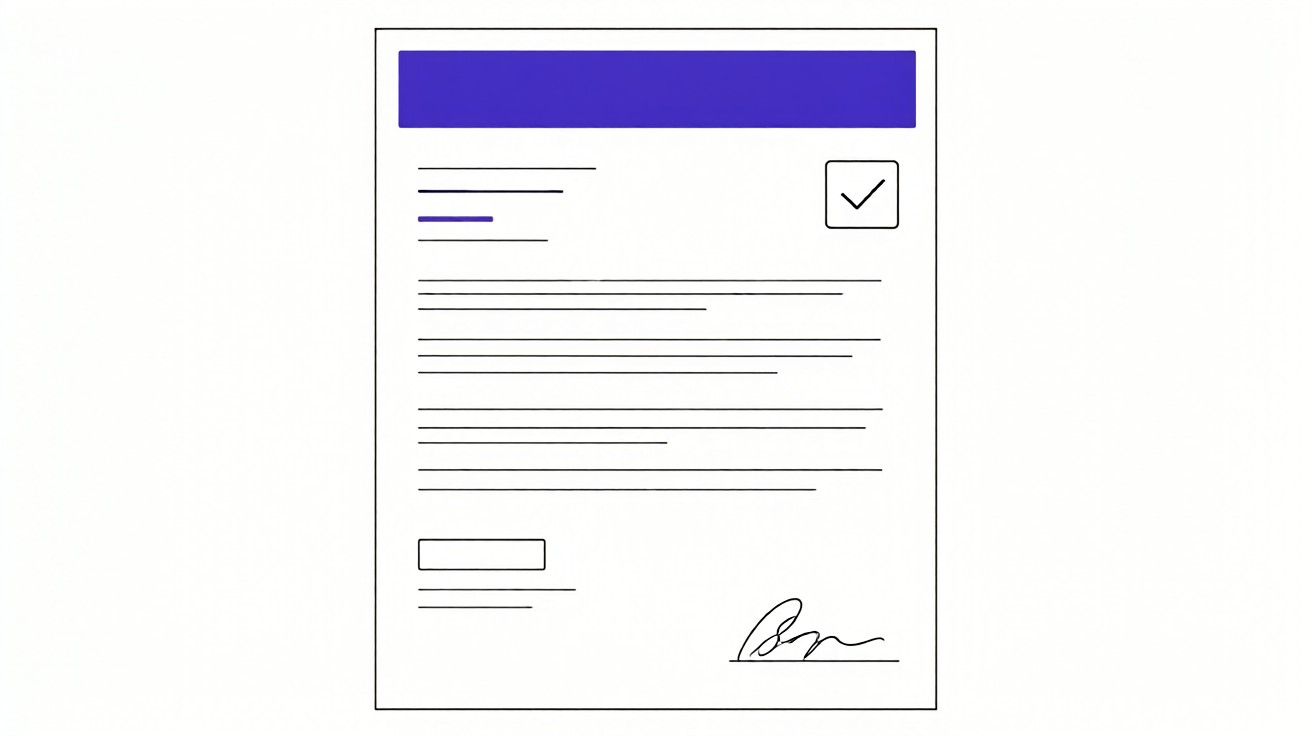

An employment verification letter is a standard document landlords request to confirm income and job status. It bridges the gap between what an applicant claims and what a landlord can trust. When paired with bank statements, it forms a reliable income picture.
Landlords want evidence that income is stable, sufficient, and verifiable. A letter from an employer answers the first question. Bank statements answer the second. Together they reduce risk and speed up approval.
The letter should be on company letterhead and include specific details. Vague or incomplete letters trigger requests for more documents. A complete letter the first time avoids delays.
Bank statements corroborate the letter by showing deposits that match the stated salary. A landlord compares the letter’s salary figure against actual deposits. Matching numbers build confidence.
Self-employed applicants cannot provide an employer letter. They use CPA letters, tax returns, and bank statements instead. The verification method changes, but the goal stays the same.
Employment verification letters for rental applications should include job title, start date, salary, and employment status on company letterhead. Landlords verify through direct contact or services like The Work Number. Bank statements corroborate the letter by showing matching deposits. Self-employed applicants use CPA letters or tax returns instead.
Key facts. Employment verification letters for rental applications should include job title, start date, salary, and employment status on company letterhead. Landlords verify through direct contact or services like The Work Number. Bank statements corroborate the letter by showing matching deposits. Self-employed applicants use CPA letters or tax returns instead.
What an employment verification letter must include
A complete letter states the applicant’s name, job title, employment status, start date, and salary. Each element answers a specific landlord question. Missing any one invites follow-up requests.
Employment status matters. Full-time, part-time, contract, and seasonal positions carry different income risk. A landlord weights a full-time role more heavily than a seasonal one.
Salary should appear as annual or hourly figures with pay frequency. A landlord multiplies hourly rates by expected hours to estimate income. Clear figures reduce guesswork.
Letterhead rule. Letters on company letterhead with a contact name, phone, and email carry more weight. Plain text letters from personal email raise verification friction.
How landlords verify employment
Landlords verify through direct employer contact or third-party services. Direct contact means calling the HR department or the supervisor listed on the letter. Third-party services like The Work Number provide instant verification for participating employers.
Verification confirms the letter’s details match employer records. A mismatch between letter and employer data is a red flag. Accurate letters pass quickly.
Some employers refuse to disclose salary. In that case, the landlord relies on pay stubs and bank statements. The letter then confirms status and tenure only.
Turn That PDF Into a Spreadsheet in Minutes
You've seen how to do it manually — now let the tool handle the heavy lifting. Upload your bank statement and get Excel, CSV, or QBO in a few clicks.
Try It FreeHow bank statements corroborate the letter
Bank statements show deposits that should match the salary on the letter. A landlord compares deposit amounts and frequency against the stated pay. Consistent matches confirm the letter.
Deposits that differ significantly from the letter raise questions. A lower deposit amount may indicate reduced hours or garnishments. A higher amount may indicate secondary income not disclosed.
Two to three months of statements provide enough history. Shorter windows may miss irregular pay cycles. Longer windows add confidence but are not always required.
See the rental application bank statement guide for statement preparation tips. The rental income verification bank statement page covers deposit matching in detail. The income verification from bank statement rental page explains deposit to salary matching.
Self-employed and non-traditional applicants
Self-employed applicants cannot provide an employer letter. They substitute a CPA letter, two years of tax returns, and bank statements. The CPA letter attests to income stability and business health.
Gig workers use platform earnings summaries plus bank deposits. Retirees use pension or Social Security statements. Each applicant type has a parallel verification path.
The self employed rental application bank statement guide details requirements for independent workers. The income documentation checklist lists documents by applicant type.
Common mistakes and traps
Applicants sometimes submit letters with missing salary or outdated start dates. These gaps trigger verification delays. A complete, current letter prevents them.
Another trap is inconsistent job titles between letter and application. A landlord compares titles across documents. Matching titles reduce friction.
Using a personal email instead of a company domain reduces credibility. Employers with formal HR processes issue letters on letterhead. Informal letters invite extra scrutiny.
Final decision path
Start with a complete employer letter on company letterhead. Add two to three months of bank statements showing matching deposits. Verify the letter through direct contact or a verification service.
If self-employed, replace the employer letter with a CPA letter and tax returns. Keep bank statements as the common thread across all applicant types.
The income ratio calculator helps confirm the salary meets typical landlord thresholds. Use it before submitting.
Last updated: October 2026.
From Bank Statement to QuickBooks-Ready File
That manual cleanup you just read about? This tool skips it. Turn your PDF into QBO for QuickBooks without storing your data anywhere.
Start Converting