
Credit score plays a major role in rental applications. Most landlords treat it as a quick risk signal. A strong score suggests reliable payment habits. A weak score raises questions about on-time rent.
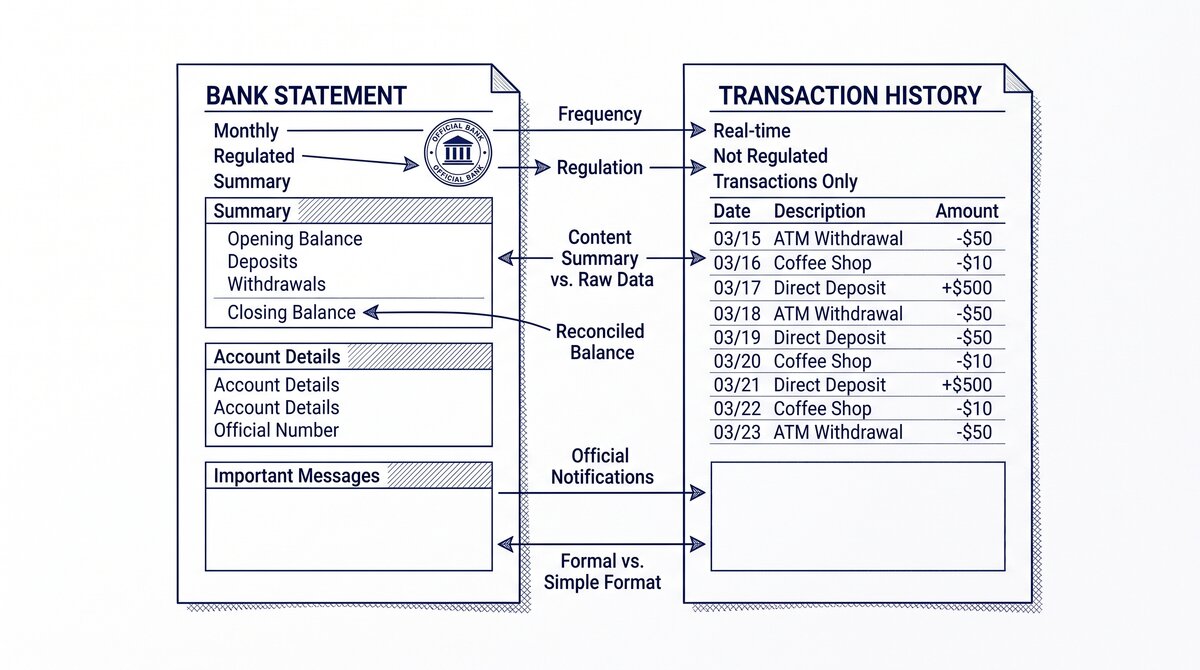
Landlords do not rely on credit score alone. They also verify income, employment, and rental history. Bank statements have become a standard part of that review. They show cash flow and recurring deposits.
Minimum credit score requirements vary by market. Many landlords look for a score between 620 and 650. Some luxury buildings set higher bars. Affordable housing programs may accept lower scores with strong income proof.
Bank statements help applicants who lack a long credit history. They provide a real record of income and spending. A landlord can see steady deposits and balanced accounts. That evidence can offset a thin credit file.
Credit score is one factor among several. Income verification via bank statements is equally important. Together they paint a fuller picture of an applicant. That balance protects both renter and landlord.
What Landlords Actually Check on a Credit Report
A credit report shows payment history, balances, and inquiries. Landlords focus on late payments and collections. They also check for evictions or judgments. These items signal higher risk more than a single low score.
Medical debt and student loans often appear on reports. Many landlords ignore medical collections. They may weigh student debt differently. Each landlord sets their own tolerance level.
Credit utilization matters too. High card balances suggest cash strain. Low utilization signals healthy habits. Landlords read this alongside income from bank statements.
Landlords also check the length of credit history. A short history is not always bad. It simply means less data. Bank statements then carry more weight in the decision.
Some landlords use tenant screening services. These combine credit, criminal, and eviction data. The combined report gives a broader view. Bank statements still anchor the income side.
Minimum Credit Score Requirements Explained
Most standard rentals require a score of 620 to 650. This range is common across many US markets. It is a practical cutoff, not a legal rule. Individual landlords may adjust it.
Luxury buildings often require 700 or above. They pair this with income multiples of forty times rent. Mid-tier properties may accept 600 with a larger deposit. Each tier reflects different risk tolerance.
Below 600, approval becomes harder. Applicants may need a guarantor. Some landlords accept co-signers with strong credit. Others rely on larger security deposits where local law allows.
Applicants should ask about minimums before applying. This saves application fees. It also sets clear expectations. Transparency benefits both sides.
Score requirements also shift with the rental market. In tight markets, landlords raise bars. In soft markets, they may relax them. Bank statements help in both cases.
Turn That PDF Into a Spreadsheet in Minutes
You've seen how to do it manually — now let the tool handle the heavy lifting. Upload your bank statement and get Excel, CSV, or QBO in a few clicks.
Try It FreeHow Bank Statements Help Thin-File Applicants
A thin credit file means limited borrowing history. Young renters and new immigrants often face this. Their score may be low or missing. Bank statements fill that gap with real data.
Steady payroll deposits show reliable income. Consistent rent payments to a previous landlord show responsibility. Savings balances show a cushion. These signals matter to careful landlords.
Applicants should submit two to three months of statements. Redact sensitive account numbers if needed. Keep transaction descriptions clear. Highlight recurring income and rent payments.
Landlords compare deposits to stated income. They also check for overdrafts. Frequent overdrafts raise concerns. Clean statements strengthen an application.
For more detail on preparing statements, see our rental application bank statement guide. It covers formatting and redaction tips.
Thin-file applicants can also add reference letters. A prior landlord letter helps. Employer verification helps too. Combined with bank statements, these build a strong case.
Credit Score Versus Income Verification
Credit score measures past borrowing behavior. Income verification measures current ability to pay. Both matter, but they answer different questions. A high score with low income still risks default.
Bank statements provide income proof directly. They show actual cash flow, not just reported wages. This helps freelancers and gig workers. It also catches applicants with inflated pay stubs.
Landlords often apply an income multiple rule. Thirty times monthly rent is common in New York. Forty times is common elsewhere. Bank statements confirm whether income meets that threshold.
Learn more about income rules in our rental income verification bank statement resource. It explains how deposits are counted.
When score and income conflict, income usually wins. A landlord cares most about rent getting paid. Strong bank statements can outweigh a modest score. This is where preparation pays off.
FCRA Rules Landlords Must Follow
The Fair Credit Reporting Act governs credit pulls. Landlords must get written consent before pulling a report. They must also provide an adverse action notice if denying based on credit. These rules come from the FTC.
Consent can be part of the application form. It must be clear and separate. Verbal consent is not enough. Landlords should keep signed copies on file.
An adverse action notice must state the reason for denial. It must include the credit bureau used. It must also tell the applicant how to get a free report. This notice is required even for partial denials.
Applicants denied for credit have rights. They can request a copy of their report. They can dispute errors. Correcting errors may improve future applications.
Landlords who skip these steps risk penalties. Compliance is not optional. It protects applicants and landlords alike. Good process builds trust.
Special Scenarios, Denials, and Preparation
Self-employed applicants face extra scrutiny. Their income varies month to month. Bank statements help show averages over time. Six months of statements often suffice.
International renters may lack US credit. They can use foreign credit reports or bank statements. Some landlords accept larger deposits. Others require a US-based guarantor.
Students often have thin files. A parent guarantor solves this. Bank statements from the guarantor show strong income. The student may also show scholarship deposits.
Applicants with past evictions face steep hurdles. Time heals some wounds. A solid recent payment record helps. Bank statements showing on-time rent rebuild trust.
For edge cases, review our rental applicant scenarios bank statement page. It covers guarantors and co-signers.
A denial is not the end. Applicants can improve their credit profile. Pay down balances and dispute errors. Reapply with stronger documentation.
Bank statements can be updated for the next application. Show improved savings and steady income. Add a guarantor if needed. Some landlords reconsider after a few months.
Applicants can also look at different property types. Smaller landlords may be more flexible. Private owners sometimes skip strict score cutoffs. They focus on income and references.
After a denial, check our after rental denial fix bank statement guide. It lists concrete next steps.
Gather credit report, bank statements, and pay stubs. Include references from prior landlords. Add a cover letter explaining any credit issues. Honesty builds trust.
Submit complete packages promptly. Incomplete applications get skipped. Landlords move fast in tight markets. Speed and completeness win.
Keep copies of everything submitted. Track application fees. Know your rights under the FCRA. Prepared applicants stand out.
Landlords screening tenants can review our landlord bank statement screening guide. It explains how to read statements fairly. Tenants can also see the rental application bank statement tenant screening report overview.
Applicants should check their own score first. Free annual reports are available from each bureau. Reviewing early allows time to fix errors. It also prevents surprises during screening.
Landlords value consistency over perfection. A steady income record often outweighs a single missed payment. Bank statements prove that consistency clearly. Applicants who prepare them well stand out.
Communication matters during review. If an issue appears, explain it upfront. A short note can reframe a negative item. Landlords appreciate transparency and context.
Finally, remember that screening is a two-way process. Renters can ask landlords about their criteria. Clear expectations save time for everyone. Good data leads to good decisions.
Bank statements also help landlords spot income stability. Regular deposits over six months beat one large payment. Seasonal workers can show averaged earnings. Documentation bridges gaps in traditional credit.
Applicants should avoid large unexplained deposits. These trigger questions and delays. Clear memos and source documents help. Transparency keeps the review moving.
Co-applicants can strengthen a file. Combining incomes often clears multiples. Each applicant should still submit statements. Combined review speeds approval.
Landlords may verify deposits directly. They might call an employer or bank. This is legal with consent. Accurate applications pass faster.
Credit score is one factor; income verification via bank statements is equally important. Landlords typically require minimum credit score 620-650. Thin credit file applicants can use bank statements to demonstrate payment history. FCRA requires written consent before pulling credit report. Landlords must provide adverse action notice if denying based on credit.
Key facts. Landlords typically require minimum credit score 620-650. Thin credit file applicants can use bank statements to demonstrate payment history. Credit score is one factor; income verification via bank statements is equally important. FCRA requires written consent before pulling credit report. Landlords must provide adverse action notice if denying based on credit.
From PDF to Excel in one click
Forget retyping line by line. Upload any bank statement, get a spreadsheet you can actually use. Your files are never stored, and you can test the converter with 3 free conversions.
Try it free