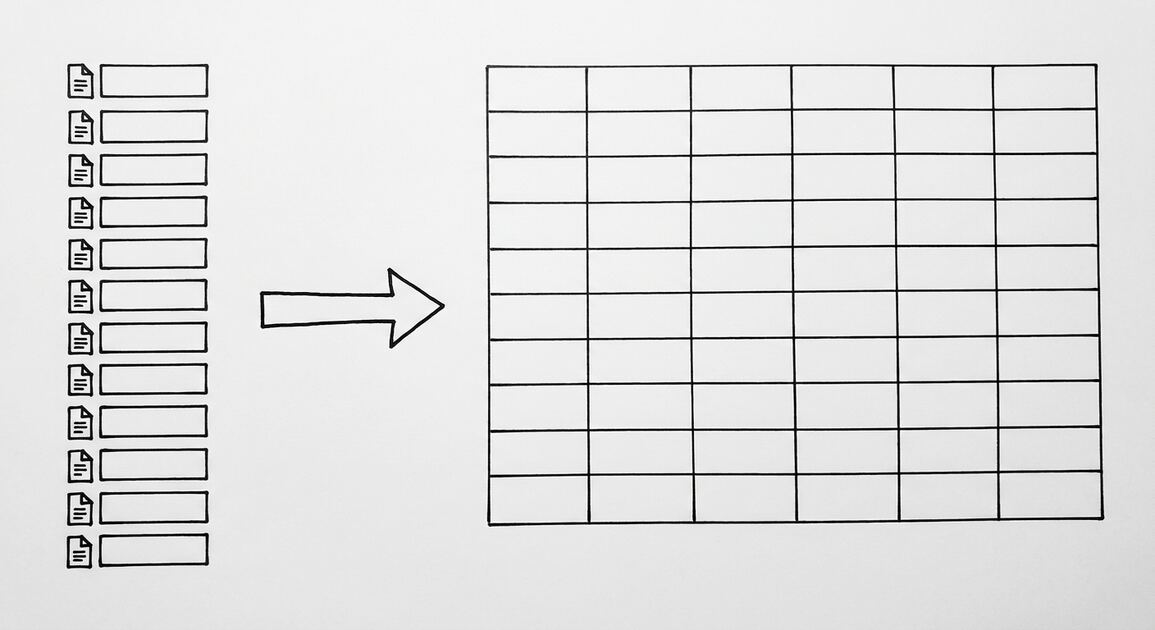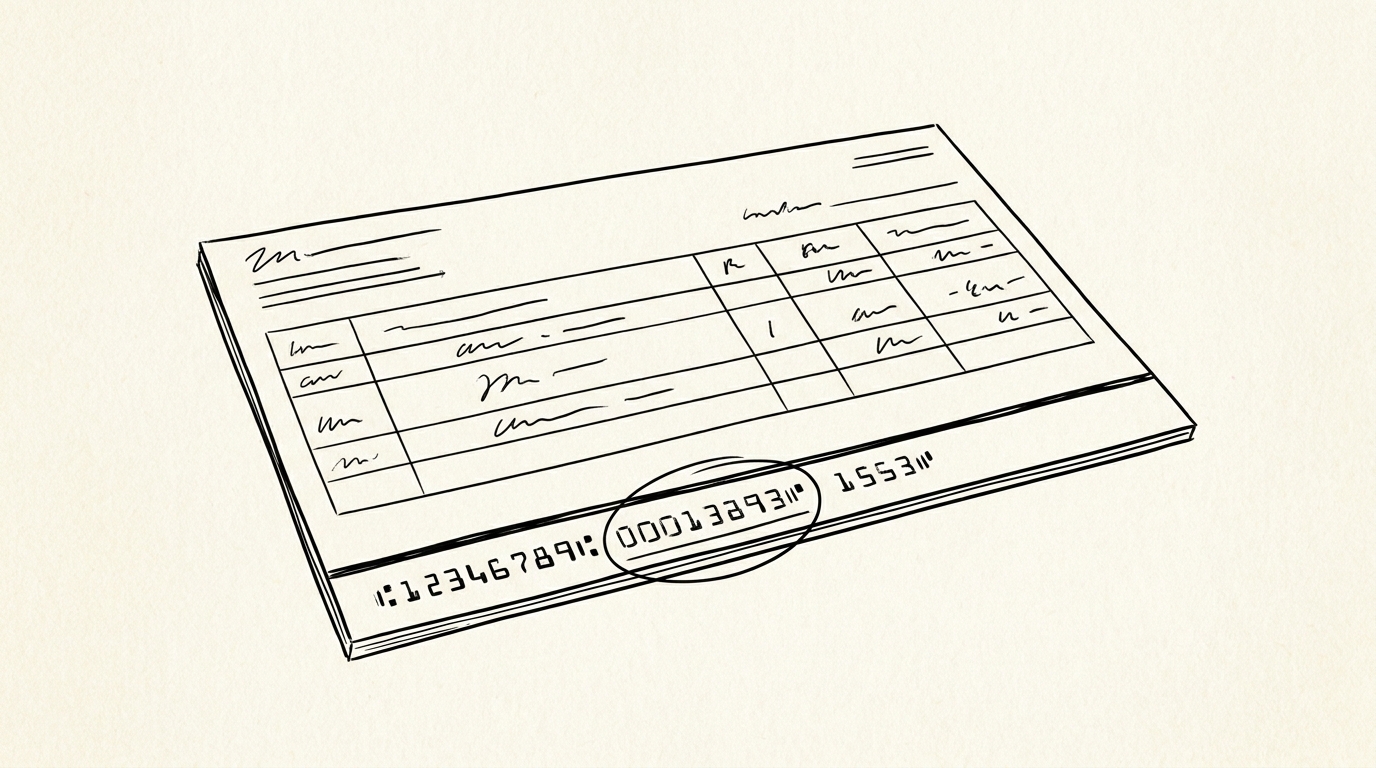

A routing number says which bank. An account number says which account at that bank.
An account number is assigned by the bank when an account is opened. The length varies by bank (typically 8-12 digits for US banks, sometimes longer for credit unions). The number is sensitive: it identifies the specific account.
The number that identifies a specific account at a bank, distinct from the routing number that identifies the bank.
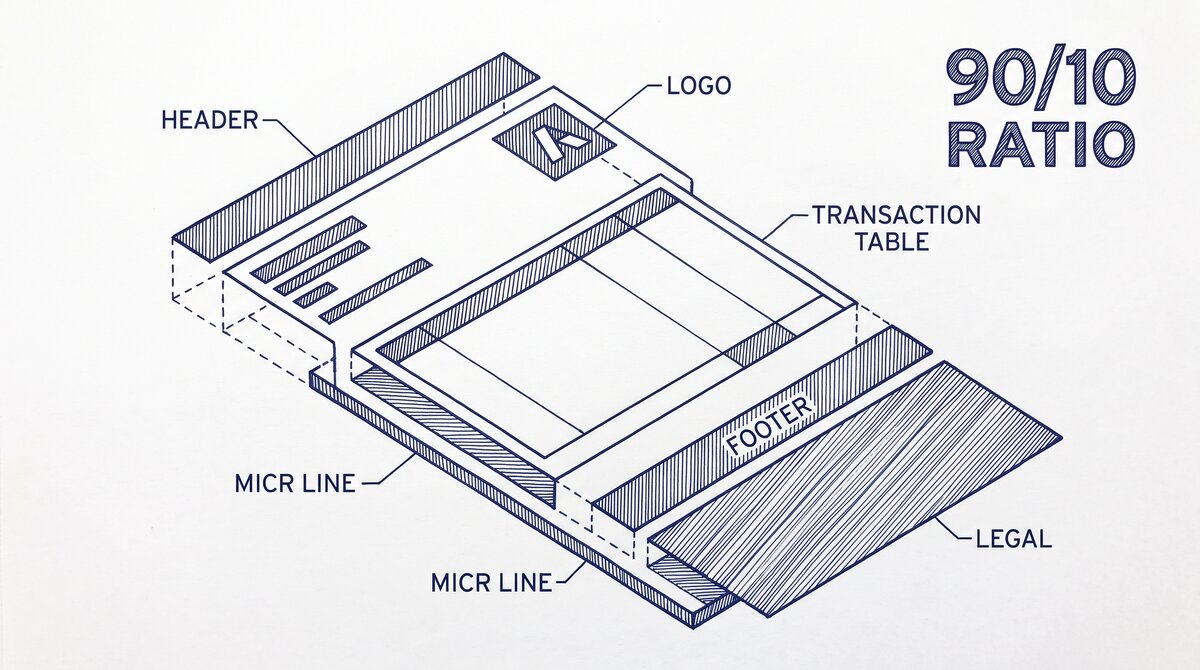
Account numbers are used for: incoming payments (direct deposit, wire, ACH), outgoing payments (checks, bill pay, ACH), and account verification. The number is on every check (in the MICR line), on every statement, and in online banking. For security, the account number is what needs to be protected; the routing number is public.
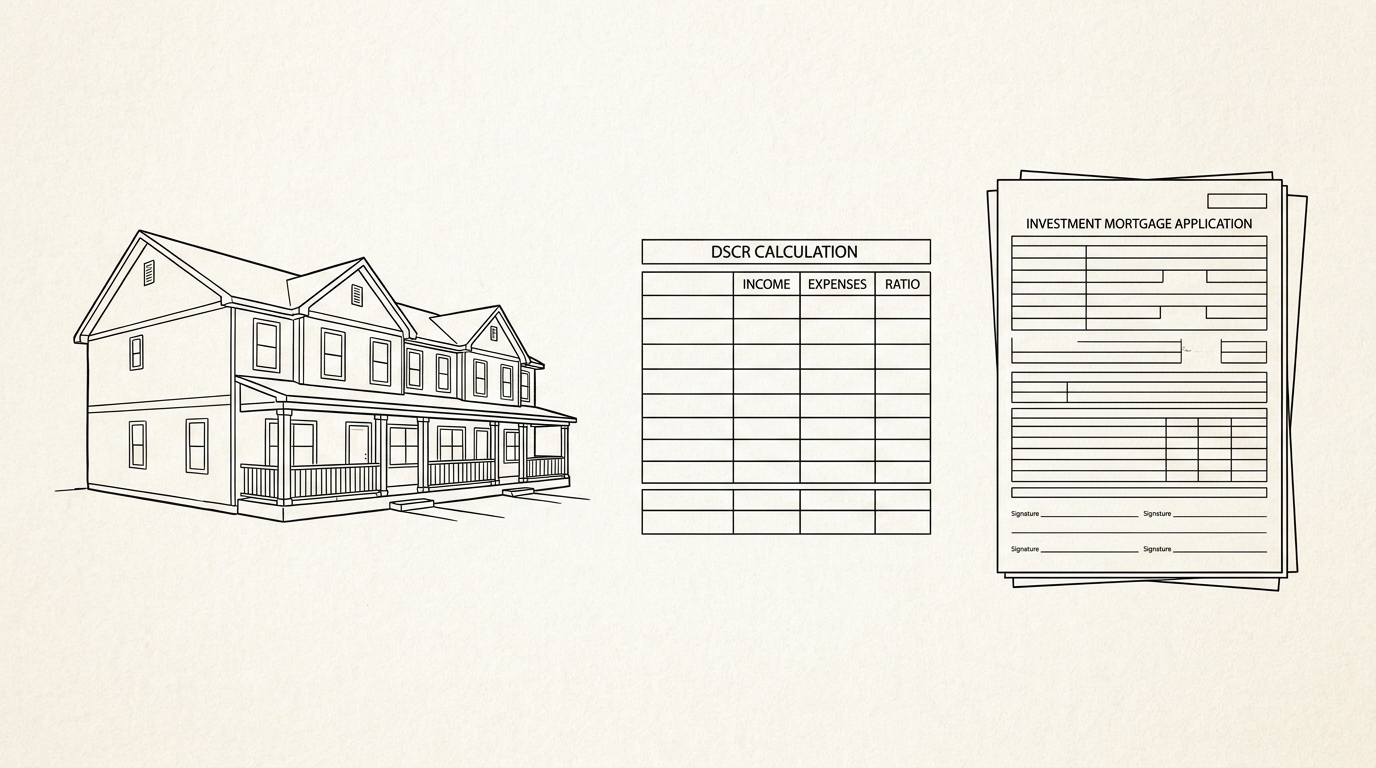
For the broader bank statement workflow, see the bank statement converter guide. For the bookkeeper workflow, see the bookkeeper workflow. For the mortgage application, see the mortgage application guide.
What Is Account Number?
The number that identifies a specific account at a bank, distinct from the routing number that identifies the bank.
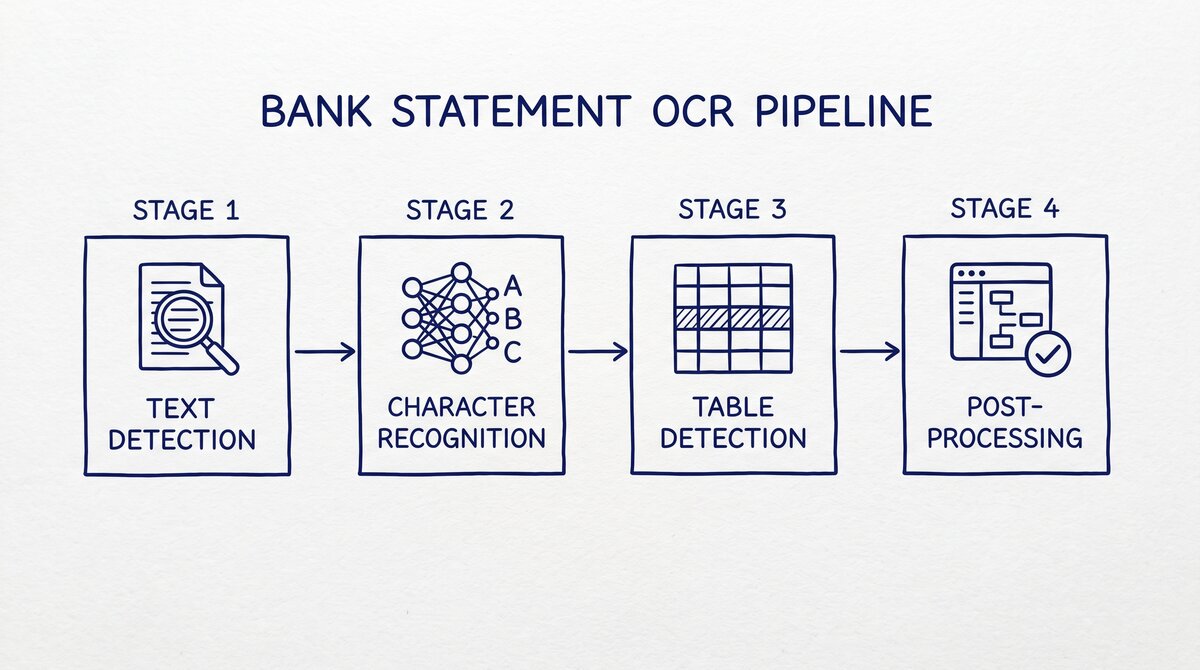
What most guides miss about this workflow is that the quality depends on the mechanism, not on the tool. Two tools that look different on the surface often run the same 4-step process underneath: read, find, parse, verify. The difference is in how well each step handles edge cases (merged cells, missing balances, non-standard date formats, scanned vs digital input). Choosing between tools based on UI alone misses the actual quality lever.
Account numbers are used for: incoming payments (direct deposit, wire, ACH), outgoing payments (checks, bill pay, ACH), and account verification. The number is on every check (in the MICR line), on every statement, and in online banking. For security, the account number is what needs to be protected; the routing number is public.
Why Account Number Matters
The account number is the key to the account. Anyone with the account number and routing number can initiate ACH debits (with some verification). For loan applications, the account number is on every bank statement the underwriter reviews.
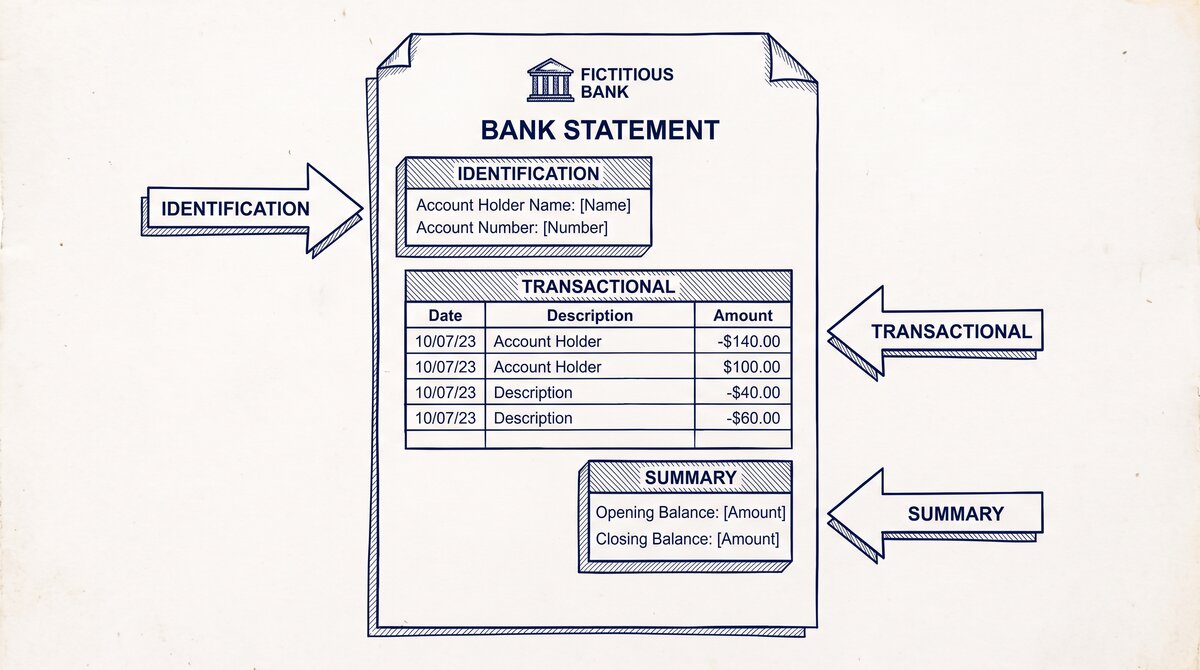
Turn PDF Bank Statements Into Workable Spreadsheets
Your bank statement is a mess of numbers, but your books shouldn't be. Use our converter to get Excel, CSV, or QBO files — ready for QuickBooks.
Try It Free NowA Concrete Example
Sharing the account number over unsecured channels. Use the bank’s portal or a secure fax.
The recon cutoff tool’s per-account-number-handling covers this case. The recon cutoff tool’s per-related-tracking handles the document trail.
Common Mistakes with Account Number
Sharing the account number over unsecured channels. Use the bank’s portal or a secure fax.
Confusing the account number with the debit card number. They are different.
Using the wrong account number for a payment. ACH and wire transfers go to the specific account number, not the bank.
A common failure mode bookkeepers report is using a personal account number for a business payment, or vice versa. The fix: maintain a verified vendor list with account numbers checked monthly.
The Memorable Line
The account number is the apartment. The routing number is the building.
Related Terms
Routing number | MICR line | ACH vs wire transfer | Bank statement converter guide | Bank statement glossary
Turn PDF Bank Statements Into Workable Spreadsheets
Your bank statement is a mess of numbers, but your books shouldn't be. Use our converter to get Excel, CSV, or QBO files — ready for QuickBooks.
Try It Free Now