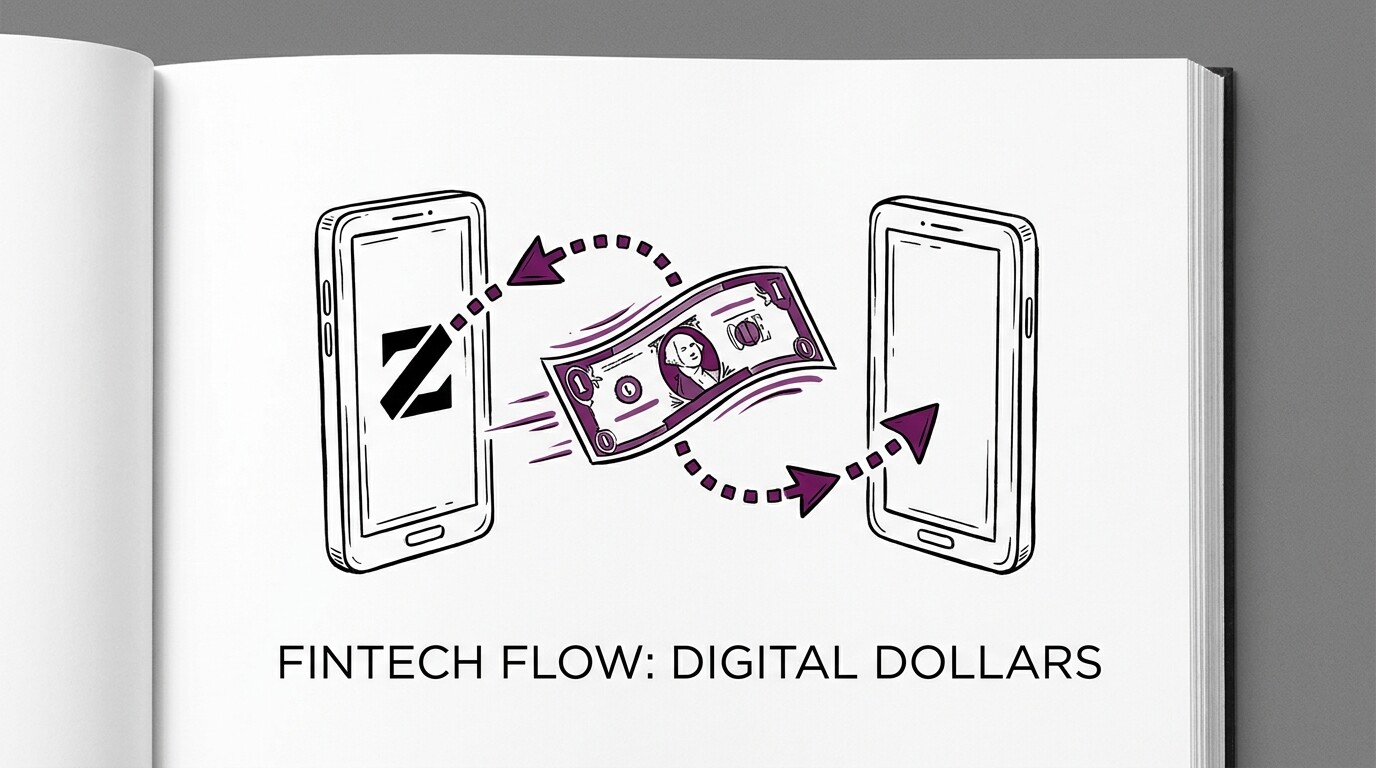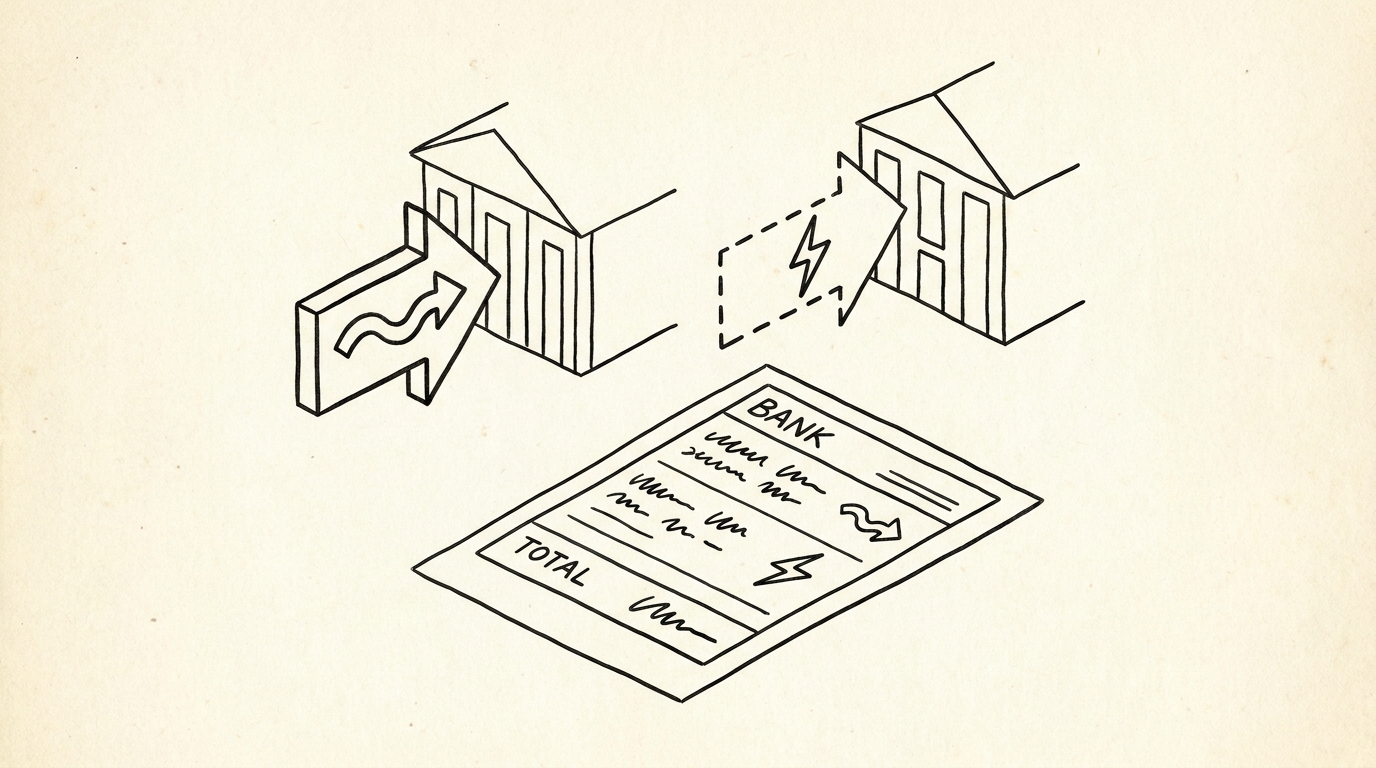

ACH is free but takes 1-3 days. Wire costs $15-50 but settles in minutes.
ACH (Automated Clearing House) is a US network for batch electronic payments. Direct deposit, bill pay, peer-to-peer transfers, and most online banking use ACH. Wire transfer is a real-time individual payment through the Federal Reserve (Fedwire) or the Clearing House (CHIPS). The two systems differ on speed, cost, limits, and use cases, and choosing the wrong one costs either money (wire for a routine transfer) or time (ACH for an urgent one).
ACH is a batch electronic payment system. Wire transfer is a real-time individual electronic payment. Different speed, cost, limits, risk, and use cases. The right choice depends on the urgency, the dollar amount, the direction (incoming vs outgoing), and whether reversibility matters.
For the broader bank statement workflow, see the bank statement converter guide. For the bookkeeper workflow, see the bookkeeper workflow. For the mortgage application, see the mortgage application guide.
What most guides miss about ACH vs wire is that the choice is not about which is better. It is about matching the payment method to the situation. ACH is cheaper and reversible; wire is faster and irrevocable. A routine vendor payment should be ACH. A same-day real estate closing should be wire. A $50,000 payment with a 1-day deadline should be wire. A $500 monthly subscription should be ACH. The right answer depends on the urgency, the amount, the direction, and the risk tolerance. Most guides treat it as a feature comparison when it is actually a decision framework.
What Is ACH vs Wire Transfer?
ACH and wire are both electronic payment methods, but they are different systems with different rules. ACH is a batch system run by the National Automated Clearing House Association (NACHA), processing payments in 1-3 business days. Wire is a real-time gross settlement system run by the Federal Reserve (Fedwire) and the Clearing House (CHIPS), settling in minutes.
The 4 key differences:
Speed. ACH takes 1-3 business days. Wire takes minutes. Same-day ACH is available for an extra fee ($0.10-$1.00 per transaction) but even same-day ACH is not real-time; the payment settles by end of day. Wire, by contrast, settles in 10-30 minutes for domestic wires and same-day for international wires.
Cost. ACH costs $0-$3 per transaction for most banks. Wire costs $15-50 per outgoing domestic wire and $30-75 for outgoing international wire. Inbound wires are often free, but some banks charge $5-15. The cost difference is the main reason ACH dominates for routine payments.
Limits. ACH has no Federal Reserve limit, but most banks cap ACH transactions at $10,000-$25,000 per transaction. Same-day ACH is capped at $1 million per transaction by NACHA. Wire has no Federal Reserve limit, but most banks set a daily wire limit of $100,000-$500,000 for retail customers.
Reversibility. ACH transactions can be reversed within 5 business days (and sometimes longer for unauthorized transactions). Wire transactions are generally irrevocable once sent. The Federal Reserve’s wire transfer regulation (Regulation J) treats wire as final, and reversing a wire requires the receiving bank to consent.
When to Use ACH vs Wire: A Decision Framework
The decision framework has 4 inputs: urgency, amount, direction, and risk tolerance.
Use ACH when: the payment is routine (payroll, vendor, bill pay, subscription, tax), the amount is under $25,000, the direction is recurring (monthly, weekly), and the timing allows 1-3 business days. ACH is the default for 90%+ of US business payments.
Use wire when: the payment is urgent (real estate closing, same-day vendor payment, emergency fund transfer), the amount is over $25,000, the direction is one-time or infrequent, and the receiving bank is not ACH-enabled. Wire is the default for high-value, time-sensitive, or international payments.
Same-day ACH when: the payment is urgent but not immediate, the amount is under $1 million, and the cost is acceptable ($0.10-$1.00 per transaction). Same-day ACH settles by 5pm ET on the same business day, which is faster than standard ACH but slower than wire.
Turn PDF Bank Statements Into Workable Spreadsheets
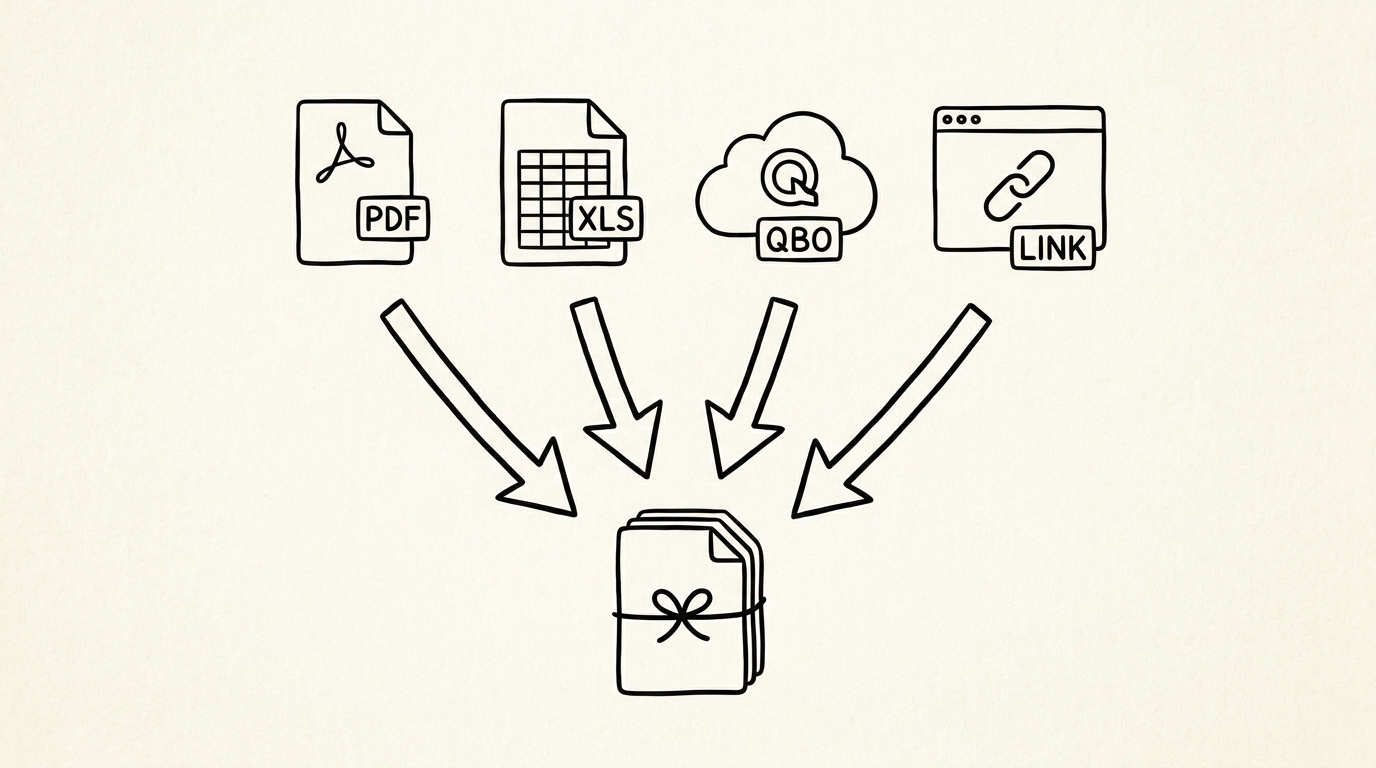
Your bank statement is a mess of numbers, but your books shouldn't be. Use our converter to get Excel, CSV, or QBO files — ready for QuickBooks.
Try It Free NowThe 7 Specific Differences (Side-by-Side)
| Dimension | ACH | Wire Transfer |
|---|---|---|
| Speed (standard) | 1-3 business days | 10-30 minutes (domestic), same-day (international) |
| Speed (same-day option) | Same business day, by 5pm ET | N/A (already real-time) |
| Cost (outgoing, typical) | $0-3 | $15-50 (domestic), $30-75 (international) |
| Per-transaction limit | $1 million (same-day), bank-set lower for standard | No Federal limit, bank-set $100K-$500K typical |
| Reversibility | Reversible within 5 business days | Generally irrevocable |
| Required info | Routing number, account number, amount | Routing number, account number, recipient name, recipient address, amount |
| Best for | Payroll, vendor, bill pay, subscription, tax | Real estate closing, large one-time, international, urgent |
ACH and Wire on the Bank Statement
The two payment methods appear differently on a bank statement, but the differences are subtle. ACH transactions typically show as “ACH Credit” or “ACH Debit” with the originating company name. Wire transactions show as “Wire Transfer” or “Fedwire” with the originating bank and beneficiary. The dollar amount, the date, and the description are usually clear, but the underlying mechanism is not always obvious.
For bookkeepers reconciling accounts: the ACH vs wire distinction matters for cash flow forecasting. ACH transactions appear in 1-3 days, so a forecast should assume the longest settlement time. Wire transactions appear same-day, so a forecast should assume the funds are available immediately. Misclassifying a wire as ACH (or vice versa) produces forecast errors of 1-3 days, which can cascade into overdrafts or missed payments.
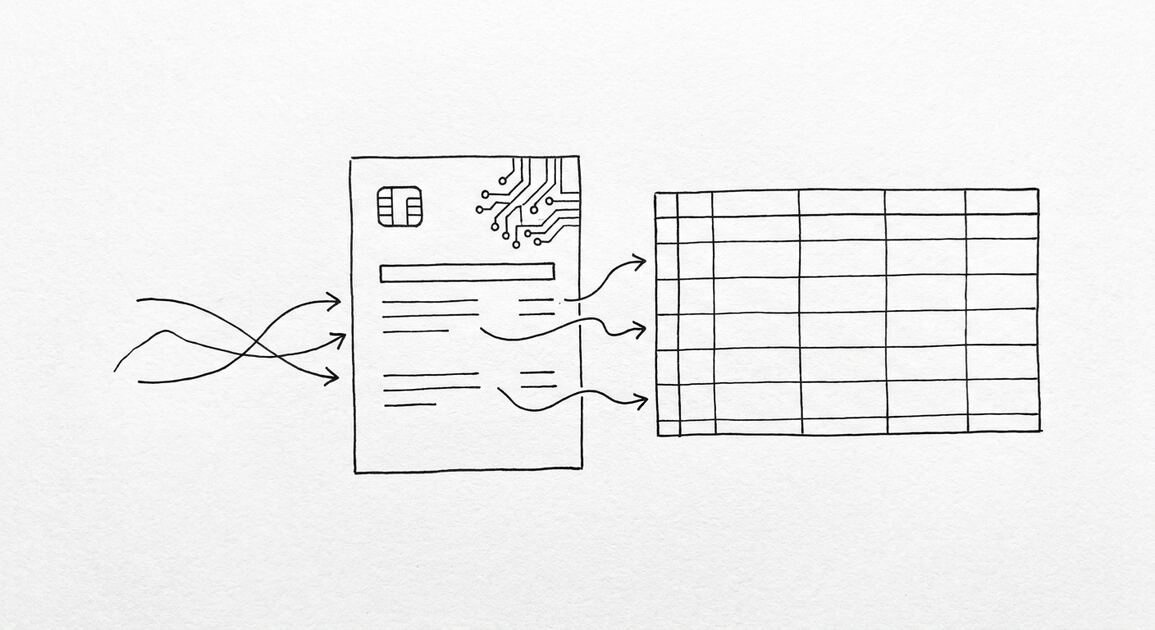
For the workflow that produces clean bank statement data with the payment method identified, see the bank statement converter. The output includes a payment type column that distinguishes ACH from wire from check from card from other.
Common Mistakes with ACH vs Wire
3 mistakes that consistently cause problems:
1. Using wire for routine payments. Wire costs $15-50 per transaction. For 100 monthly vendor payments, that’s $1,500-$6,000/month in unnecessary fees. The fix: use ACH for routine payments, reserve wire for urgent or high-value.
2. Using ACH for time-sensitive payments. ACH takes 1-3 business days. A wire sent on Friday afternoon arrives same-day; an ACH sent on Friday might not arrive until Tuesday (skipping the weekend). The fix: for same-week payments, use wire or same-day ACH.
3. Assuming wire is always safer. Wire is irrevocable, which is a feature (finality) and a bug (no recourse if you sent to the wrong account). The fix: for large wires, verify the recipient details (routing number, account number, name, address) by phone before sending. The receiving bank will not reverse a wire for an error.
International Payments: ACH vs Wire vs SWIFT
International payments have a 3rd option: SWIFT, which is the global messaging system for international wires. The full comparison:
International ACH. Available for some corridors (US to Canada, US to Mexico, US to Europe) but not universal. Settles in 1-5 business days. Cost is $5-25 per transaction. Limits vary by corridor and bank.
International wire. Available worldwide. Settles same-day or next business day. Cost is $30-75 per outgoing transaction. Limits are bank-set, typically $100,000-$500,000 per transaction.
SWIFT (which is a wire, not a separate method). SWIFT is the messaging network that international wires use. When you send an international wire, your bank sends a SWIFT message to the receiving bank, which credits the account. The cost includes the wire fee ($30-75) plus any intermediary bank fees ($10-50), plus the FX spread (1-3% of the amount).
For US to US, ACH is the default. For US to international, wire is the default. Same-day ACH is rare internationally. For very large international transfers ($1M+), consider using a foreign exchange specialist (OFX, Wise, Revolut Business) to avoid the wire fees and FX spread.
The Memorable Line
ACH is the train, wire is the plane. Trains are cheap and reliable for cargo, planes are fast and expensive for urgent. Choosing the wrong one costs time or money; choosing the right one is invisible.
Related Terms
For routing number and account number details (required for both ACH and wire), see the routing number guide and the account number guide. For the broader bank statement workflow, see the bank statement glossary. For bookkeeper workflow integration, see the bookkeeper workflow guide. For more, see the payment rails systems guide.
Turn any PDF statement into a clean sheet
Skip the typos and the hours of copying. Our converter handles any bank statement format and outputs Excel, CSV, or QBO for QuickBooks. No file retention, free to try.
Convert your statement