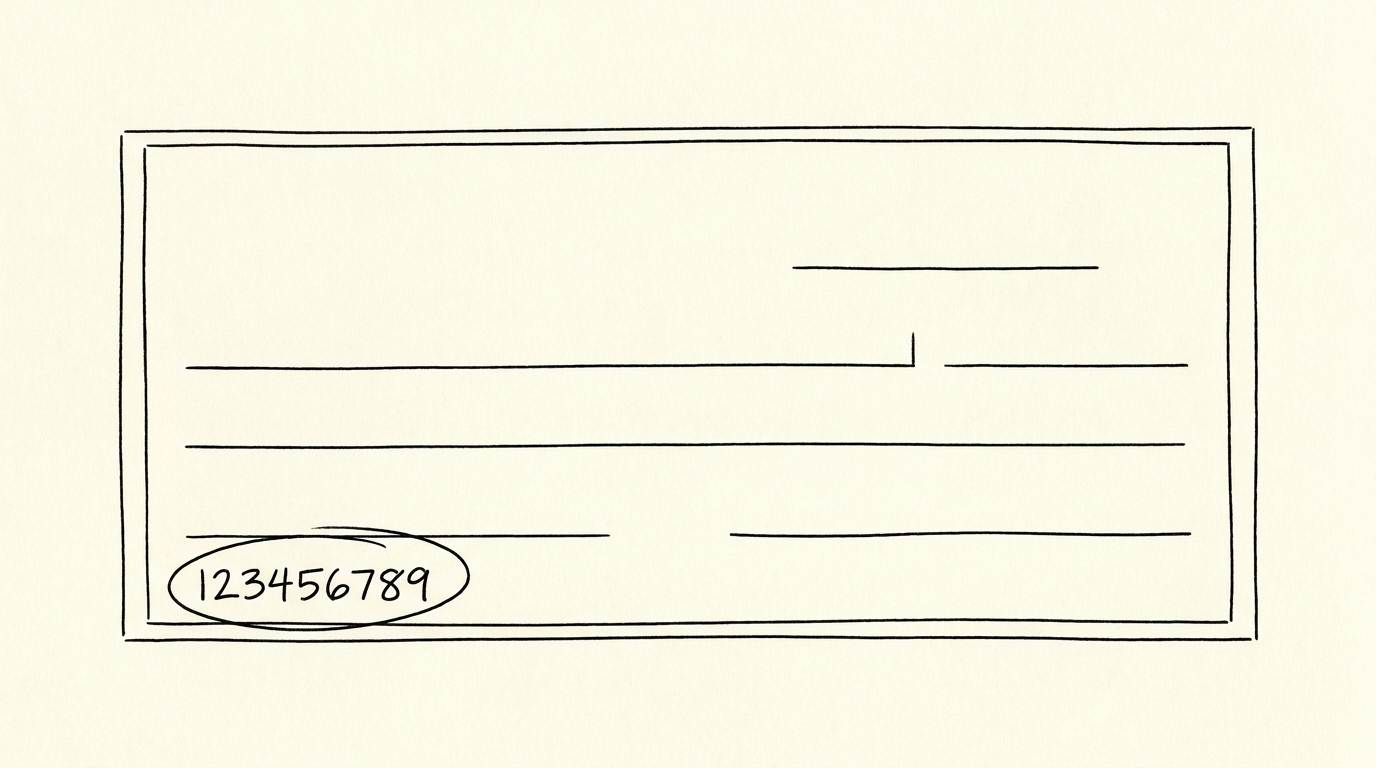

A routing number is a 9-digit code that uniquely identifies a US bank. The short answer: a routing number is a 9-digit code that uniquely identifies a US bank. The 3 components of the number identify the Federal Reserve district, the specific branch, and the specific bank. The routing number is used for any electronic or paper transaction that needs to identify the bank.
TL;DR. Routing number has 3 components: Federal Reserve district (2 digits), branch (2 digits), bank (5 digits). The 5 main uses: check processing, ACH, wire transfers, direct deposit, online bill pay. The 3 sources: the bank’s website, the bank’s checks, the routing number lookup databases. The 3 things to verify: the bank name, the routing number, the account number.
Why Routing Numbers Exist
Routing numbers exist because the US banking system has thousands of banks and the transactions need to be routed to the correct one. The 9-digit number is standardized, machine-readable, and unique. The number allows a check or electronic transaction to be routed to the correct bank in seconds, even when the transaction originates from a different state or involves multiple banks.
What most guides miss about this workflow is that the quality depends on the mechanism, not on the tool. Two tools that look different on the surface often run the same 4-step process underneath: read, find, parse, verify. The difference is in how well each step handles edge cases (merged cells, missing balances, non-standard date formats, scanned vs digital input). Choosing between tools based on UI alone misses the actual quality lever.
Before routing numbers, the bank identification was less standardized. The introduction of routing numbers in 1910 by the American Bankers Association (ABA) allowed the banking system to scale to billions of transactions per year. The system is still in use today, with minor updates for new banks and new technologies (like mobile check deposit).
The 3 Components
3 components of the 9-digit routing number:
1. Federal Reserve district (2 digits). The first 2 digits identify the Federal Reserve district where the bank is located. The 12 districts are numbered 01-12: 01 = Boston, 02 = New York, 03 = Philadelphia, 04 = Cleveland, 05 = Richmond, 06 = Atlanta, 07 = Chicago, 08 = St. Louis, 09 = Minneapolis, 10 = Kansas City, 11 = Dallas, 12 = San Francisco.
2. Federal Reserve branch (2 digits). The next 2 digits identify the specific Federal Reserve branch within the district. Each district has 1-9 branches. For example, in the New York district (02), the branches include 21 (New York City), 22 (Buffalo), etc. The branch digit is less commonly referenced but is part of the routing number.
3. Specific bank (5 digits). The last 5 digits identify the specific bank. The number is assigned by the Federal Reserve when the bank is chartered. Large banks may have multiple routing numbers (one for each state or region), and each routing number is a unique 9-digit code.
From Bank Statement to QuickBooks-Ready File
That manual cleanup you just read about? This tool skips it. Turn your PDF into QBO for QuickBooks without storing your data anywhere.
Start ConvertingThe 5 Main Uses
5 use cases for the routing number:
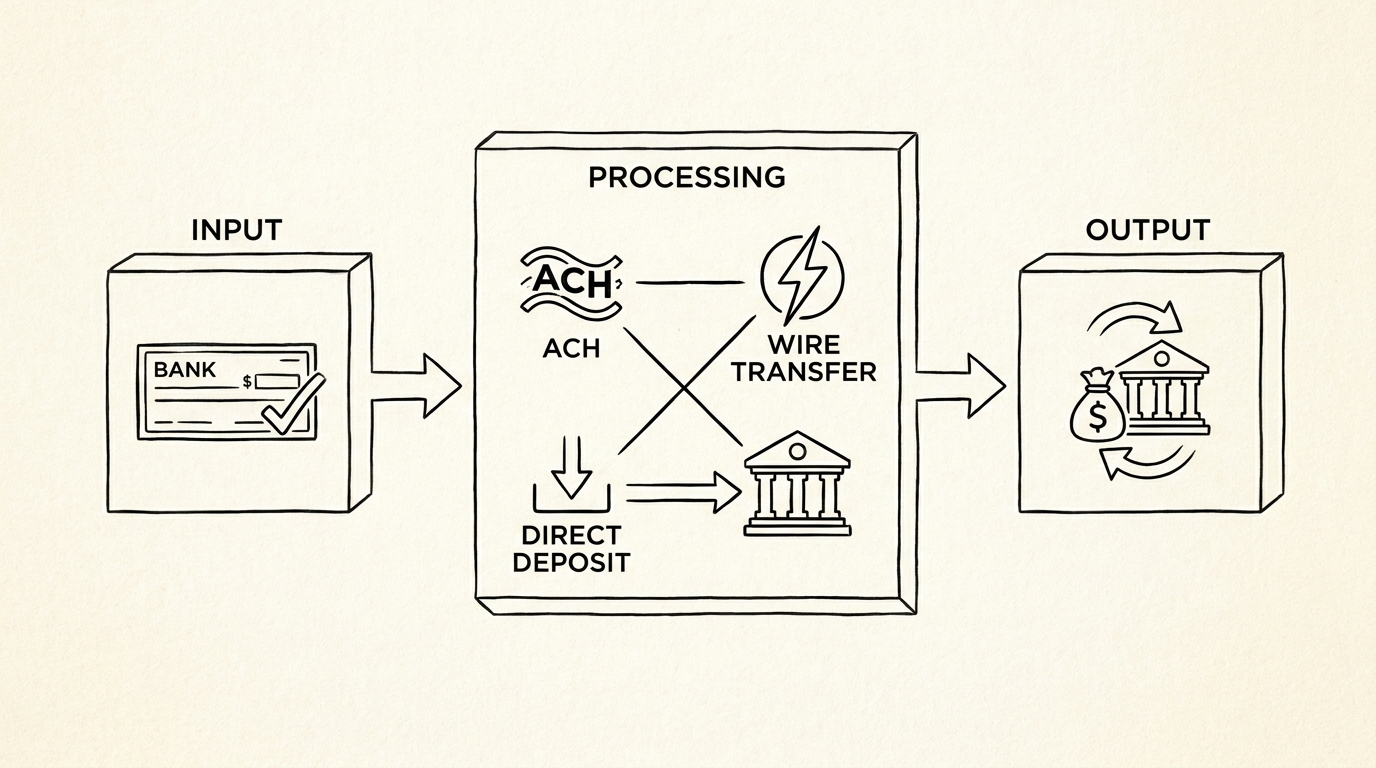
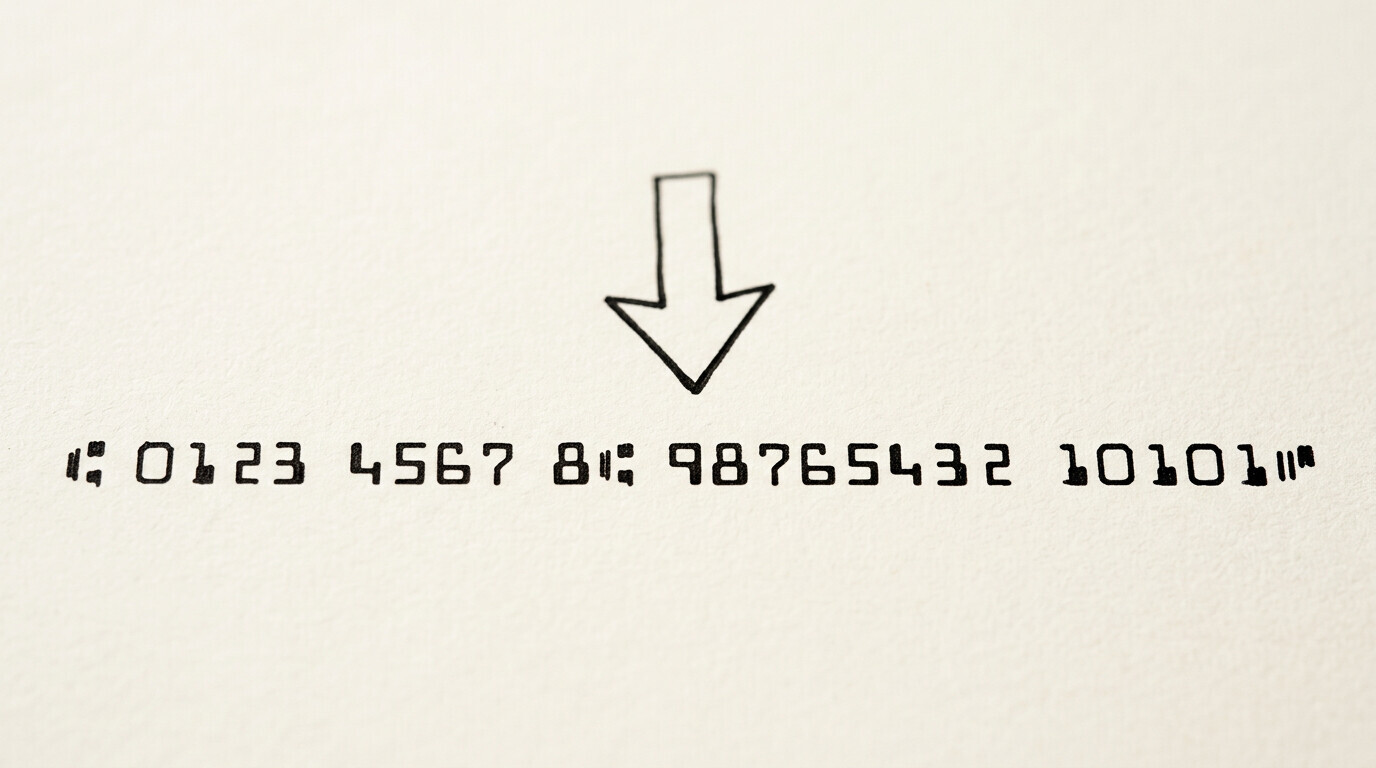
1. Check processing. The routing number is printed on every check (in the MICR line at the bottom). When a check is deposited, the routing number is read by a machine and used to route the check to the correct bank for clearing. The processing is highly automated.
2. ACH (Automated Clearing House) transactions. The routing number is used for ACH transactions (direct deposit, bill pay, bank transfers). The routing number identifies the receiving bank, and the account number identifies the specific account. The ACH system handles billions of transactions per year.
3. Wire transfers. The routing number is used for wire transfers (domestic). For international wires, the SWIFT/BIC code is used instead. The routing number is required for the wire initiation form.
4. Direct deposit. The routing number is used by employers to set up direct deposit. The employer needs the routing number and the account number to send payroll to the employee’s bank account.
5. Online bill pay. The routing number is used for online bill pay, where the biller initiates a payment to the customer’s bank account. The customer provides the routing number and the account number on the biller’s website.
The 3 Sources
3 sources to find a bank’s routing number:
1. The bank’s website. Most banks publish their routing number on the website, typically in the “Help” or “Customer Service” section. The number is the same for all customers of the bank (for the same routing number).
2. The bank’s checks. The routing number is printed on every check (in the MICR line at the bottom and often in the upper right corner of the check). The number is the same for all checks from the same bank (for the same routing number).
3. Routing number lookup databases. Public databases (e.g., the Federal Reserve’s routing number directory, aba.com) list all US bank routing numbers. The databases are searchable by bank name or by routing number.
3 Things to Verify
3 things to verify when using a routing number:
1. The bank name. The bank name on the transaction should match the bank name on the check or the account. A mismatch is a red flag for fraud or error.
2. The routing number. The routing number should be 9 digits and should match the bank’s published routing number. A 9-digit number that’s not the right routing number will result in the transaction being rejected or routed to the wrong bank.
3. The account number. The account number should match the customer’s account number at the bank. A wrong account number will result in the transaction being rejected or posted to the wrong account.
Multiple Routing Numbers
Large banks may have multiple routing numbers for different states or regions. The routing number is tied to the state where the account was opened, not where the customer currently lives. For example, a customer who opened an account in California but moved to Texas should use the California routing number for the account.
The right way to find the routing number: look at the customer’s checks for the account, or log in to the bank’s online banking and find the routing number on the account details page. The number is the same for all checks from the same account.
Routing Number vs Account Number
The routing number and the account number are different, and confusing them is a common error. The routing number is 9 digits and identifies the bank. The account number is variable-length and identifies the specific account. Both are required for electronic transactions.
The 3-step mnemonic: the routing number routes the transaction to the bank, the account number routes it within the bank to the specific account. The two are used together for any electronic transaction.
Tools and Resources
3 tools for working with routing numbers:
Related Resources
| Resource | What You Get |
|---|---|
| Bank Statement Converter | Convert to Excel |
| What Is A Routing Number | See reference |
| How Routing Number Mechanism | See reference |
| Routing Number Examples | See reference |
| Bank Statement Glossary Expansion | See reference |
- Bank’s website: The routing number is published on the bank’s website, typically in the help section.
- Bank’s checks: The routing number is on every check, in the MICR line and often in the upper right corner.
- Routing number databases: Public databases list all US bank routing numbers and are searchable by bank name or routing number.
For the routing number context, see the what is a routing number reference. For the application, see the how routing number is used reference. For the examples, see the routing number examples page. For the MICR line context, see the how MICR line mechanism works reference. For the broader context, see the bank statement glossary expansion page. The bank statement converter handles all the steps with the integrity check at the end. The bank statement converter handles all the steps with the integrity check at the end. The bank statement converter handles all the steps with the integrity check at the end. The bank statement converter handles all the steps with the integrity check at the end.
Turn PDF Bank Statements Into Workable Spreadsheets
Your bank statement is a mess of numbers, but your books shouldn't be. Use our converter to get Excel, CSV, or QBO files — ready for QuickBooks.
Try It Free Now