Landlords typically want 2-3 months of bank statements for a rental application. The 4 things they look for: consistent monthly deposits, no overdrafts, ending balance
The short answer: download 2-3 months of statements, organize them in a single PDF or Excel file, and submit with the application. The 2-3 month requirement is the standard. Landlords who want 6+ months are being unusually cautious or flagging concerns about your application. Prepare the statements in the right format to avoid delays.
TL;DR. For a rental application, prepare 2-3 months of bank statements. Landlords look for 4 things: consistent deposits (proof of stable income), no overdrafts or NSF fees (proof of financial discipline), ending balance of 2-3x the monthly rent (proof you can pay), and no large unexplained withdrawals (proof of stable finances). Format: combine all statements in one PDF, redact account numbers (last 4 only), include the most recent statement first. The 5 mistakes: missing statements, wrong time period, unredacted account numbers, unreadable PDFs, and missing pages.
What Landlords Look For in Bank Statements
Landlords review bank statements for 4 specific things:
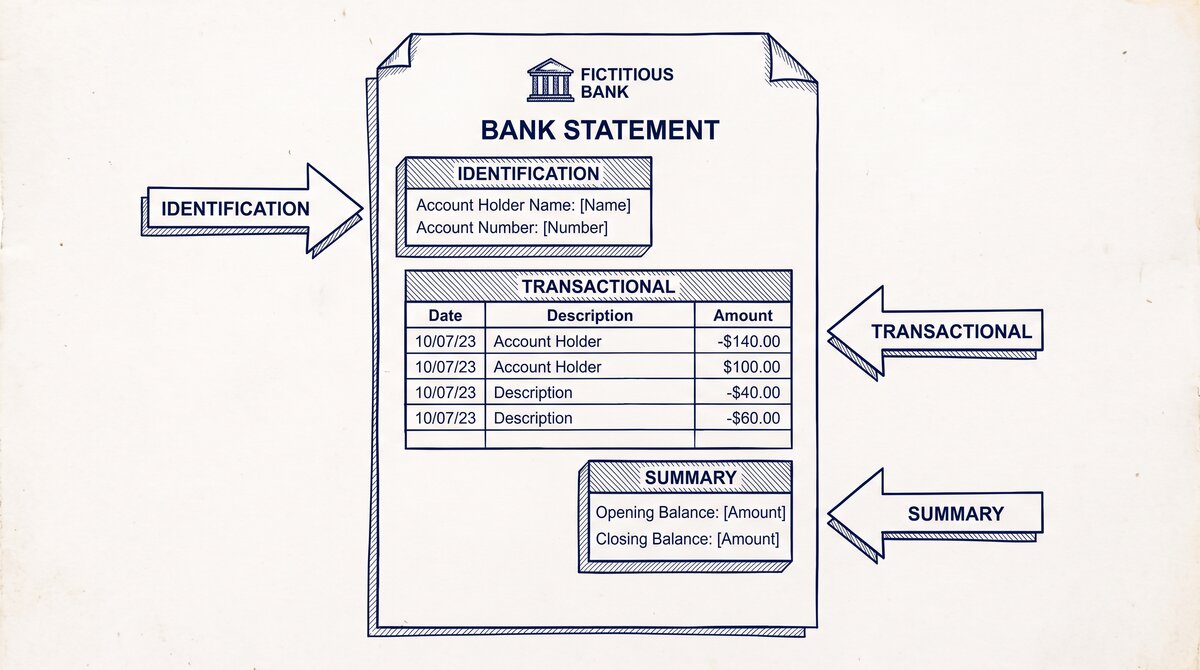
1. Consistent monthly deposits (proof of stable income). The landlord wants to see that you have a stable source of income that covers the rent. For W-2 employees, this is the salary deposit. For self-employed, this is the regular business deposits. For retirees, this is the Social Security or pension deposit. The deposits should appear monthly, in approximately the same amount (within 10-20% of the average).
2. No overdrafts or NSF fees (proof of financial discipline). Overdrafts and NSF (non-sufficient funds) fees indicate that the applicant is living close to the edge. One or two small overdrafts in 3 months is acceptable (everyone makes mistakes). Frequent overdrafts (5+ per month) or large overdrafts ($100+) are red flags. The landlord may reject the application or require a co-signer.
3. Ending balance of 2-3x the monthly rent (proof you can pay). Most landlords want to see an ending balance of 2-3 times the monthly rent. For an apartment renting at $2,000/month, the ending balance should be at least $4,000-$6,000. This demonstrates that the applicant has savings to handle unexpected expenses (car repair, medical bill) and is not relying on the next paycheck to make rent.
4. No large unexplained withdrawals (proof of stable finances). A withdrawal of $10,000 in an otherwise stable account is a red flag. The landlord may ask: where did the money go? If the answer is a documented transfer to a savings account or investment, the withdrawal is fine. If the answer is unclear, the landlord may be concerned about undisclosed debt, gambling, or other financial issues.
The 2-3 Month Statement Requirement
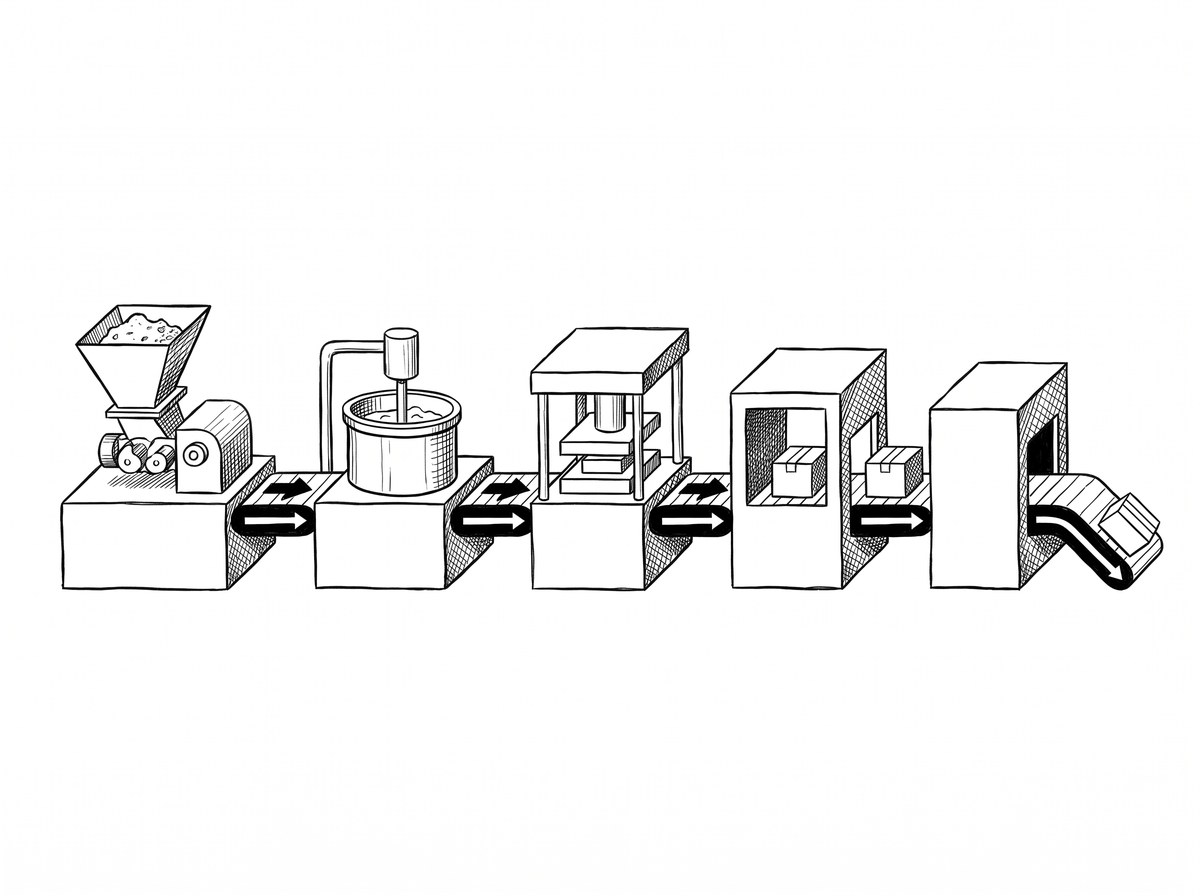
2-3 months is the standard for most rental applications. The reasoning: 2-3 months is enough to see the income pattern (one or two paychecks) and the spending pattern (rent, utilities, food, etc.). A single month may be an outlier (a bonus, a one-time expense). Six months is overkill for most landlords and creates more work for the applicant.
Some landlords want 6-12 months, especially for:
- Luxury apartments: Higher rent means more risk, more documentation.
- Self-employed applicants: Stable income is harder to verify, so more history is requested.
- Relocation applicants: Landlords can’t verify employment in person, so more documentation is required.
- Applicants with credit issues: If the credit report shows late payments or high debt, more bank statement history is requested to confirm the applicant can still pay rent.
When the landlord requests 6+ months, ask if 3 months is sufficient. Most landlords will accept 3 months if you explain the situation. If the landlord insists on 6+ months and you don’t have that history, consider a different property.
From Bank Statement to QuickBooks-Ready File
That manual cleanup you just read about? This tool skips it. Turn your PDF into QBO for QuickBooks without storing your data anywhere.
Start ConvertingHow to Prepare the Statements
The 5-step preparation process, 30-60 minutes total:
Step 1: Download 2-3 months of statements (10-20 minutes). Log into your bank’s online portal, navigate to Statements, and download 2-3 months of PDF statements. For checking, savings, and any other accounts you want to show. Save them in a single folder.
Step 2: Redact the account number (5-10 minutes). Most landlords don’t need your full account number. Use a PDF editor (Adobe Acrobat, Preview on Mac, or a free online tool) to redact the middle digits of the account number. Leave the last 4 digits visible so the landlord can verify the account is real.
Step 3: Combine into one PDF (5-10 minutes). Use a free tool like Smallpdf, ILovePDF, or Preview to combine the 2-3 statements into one PDF. Put the most recent statement first, then the older statements in reverse chronological order. This makes it easy for the landlord to see the current state first.
Step 4: Verify the PDF is readable (5 minutes). Open the combined PDF, verify that all pages are present, the text is searchable (not just an image), and the pages are in the right order. If a page is missing or unreadable, re-download and re-combine.
Step 5: Submit with the application (5 minutes). Upload the combined PDF to the rental application portal, or email it to the landlord if requested. Keep a copy for your records.
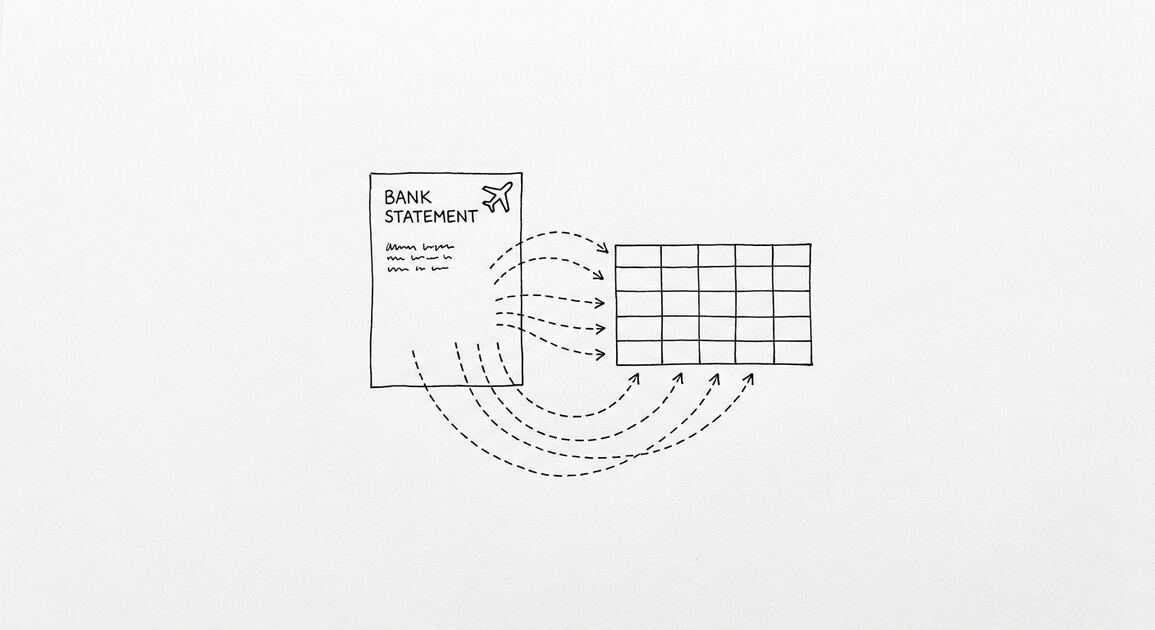
For converting the statements to Excel first (which makes the redaction and combination easier), see the bank statement converter page. For combining multiple statements, see the combine multiple bank statements guide.
The 5 Common Mistakes
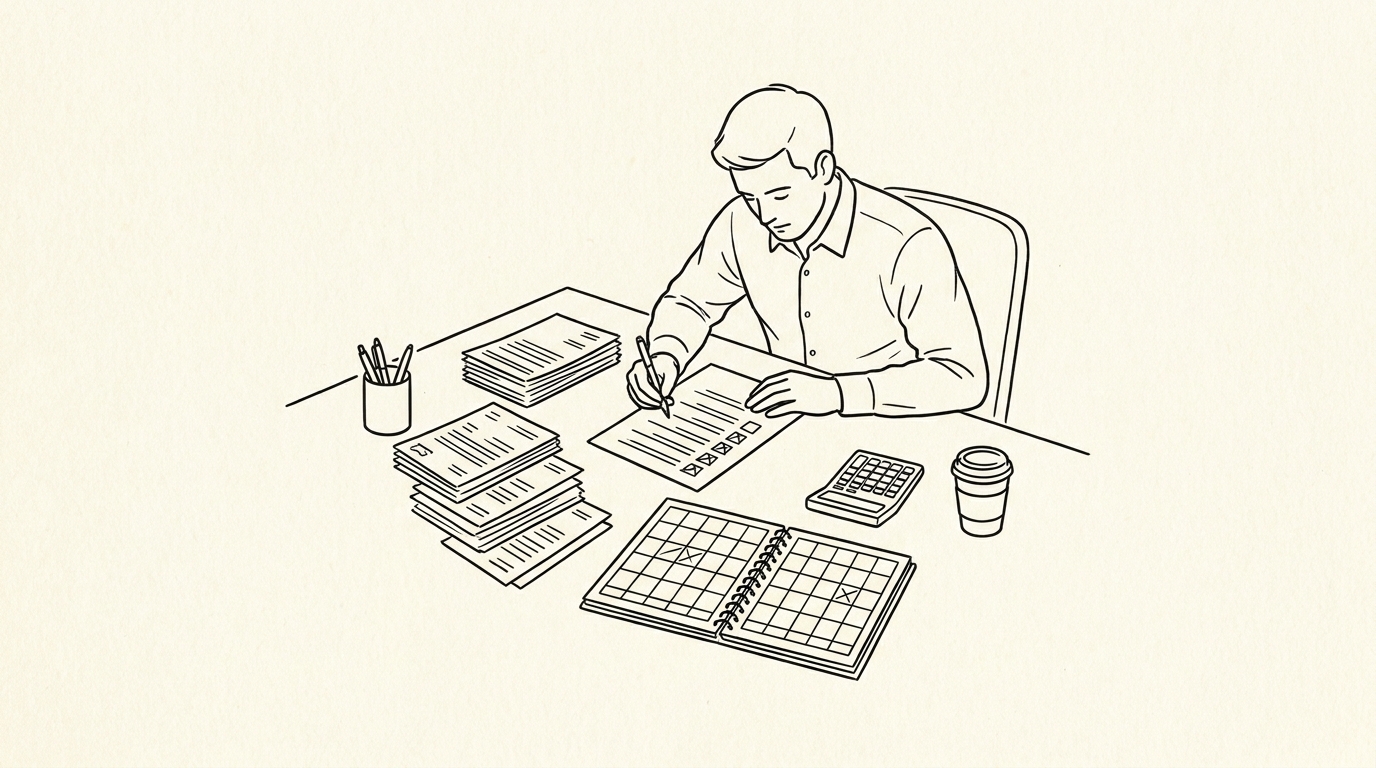
5 mistakes that delay or derail rental applications:
1. Missing statements. A landlord requests 3 months, you provide 2. The application is delayed while you find the third. The fix: always provide one more month than requested, just in case.
2. Wrong time period. The landlord wants “the last 3 months”, you provide “the last 3 months from 6 months ago” because those were the most recent PDFs you had. The fix: download the statements fresh, within 1 week of submitting the application. The timestamps on the downloads should match the application date.
3. Unredacted account numbers. A landlord sees your full account number and is concerned about identity theft risk (if the application is hacked, the landlord’s records have your account number). The fix: always redact to last-4 only.
4. Unreadable PDFs. A PDF that is a scanned image, with no text layer, is unreadable to the landlord (and to any automated system they use). The fix: download the PDF from the bank’s online portal, not from a scanned paper copy. The bank’s PDF has a text layer that is searchable and copyable.
5. Missing pages. A 6-page statement where only the first 2 pages are included. The landlord can’t verify the ending balance or the total fees. The fix: verify the page count before submitting. The statement footer should say “Page X of Y”. If Y is more than the pages you have, you have a missing page.
The Rental Application as a Whole
The bank statement is one of 5-7 documents in a typical rental application:
- Application form: Name, contact info, employment, rental history, references.
- Government-issued ID: Driver’s license, passport, or state ID. Verifies identity.
- Proof of income: Pay stubs (most recent 30 days), W-2 (most recent year), or tax returns (for self-employed). For some applications, bank statements substitute for pay stubs.
- Bank statements: The 2-3 months you prepared. Verifies liquidity and spending.
- Credit report: Some landlords run their own credit check (with your permission). Some require you to provide a recent credit report.
- References: Previous landlords, employers, or personal references. Verifies character and reliability.
- Application fee: Typically $30-$75 per applicant. Covers the cost of the background and credit check.
For the self-employed context (where bank statements may substitute for W-2s), see the self-employed mortgage application page. For the broader rental guide, see the bank statement for rental application reference. For the income verification step, see the rental income verification page.
From Bank Statement to QuickBooks-Ready File
That manual cleanup you just read about? This tool skips it. Turn your PDF into QBO for QuickBooks without storing your data anywhere.
Start Converting