
The bank reconciliation cutoff date is the point in time that defines the boundary between two statement periods. It determines which transactions belong to which
The cutoff matters because a transaction on either side of the date belongs to a different month, which affects the reconciliation, the financial statements, and the tax filing for that period.
This page covers what the bank reconciliation cutoff date is, the 4 cutoff variants, how the cutoff differs from posting date and transaction date, how the cutoff interacts with month-end close for bookkeepers, the bank holiday and weekend problem, the multi-currency complication, and the 3 common mistakes that lead to reconciliation errors. For the broader reconciliation process, see the bank reconciliation cutoff guide and the bank statement glossary.
TL;DR. The bank reconciliation cutoff date is the boundary between two statement periods. It determines which transactions count for which month’s accounting. There are 4 cutoff variants: statement period end (most common, default for US banks), posting date (when the bank processes the transaction), value date (when funds are available), and bank-defined cutoff (varies by institution). The cutoff matters because bookkeepers, accountants, and tax preparers all need to know which month a transaction belongs to. The 3 common mistakes: assuming posting date equals transaction date, ignoring bank holidays and weekends, and not specifying the cutoff variant in the reconciliation policy. For multi-currency or multi-entity businesses, the cutoff is even more important because the date determines the exchange rate.
What the Bank Reconciliation Cutoff Date Is
The bank reconciliation cutoff date is the point in time that defines the end of one statement period and the start of the next. It is the anchor date that determines which transactions belong to which month, quarter, or year for accounting purposes. Without a clear cutoff, the same transaction could be counted in two periods (or zero), which causes the books to not balance and the financial statements to be wrong.
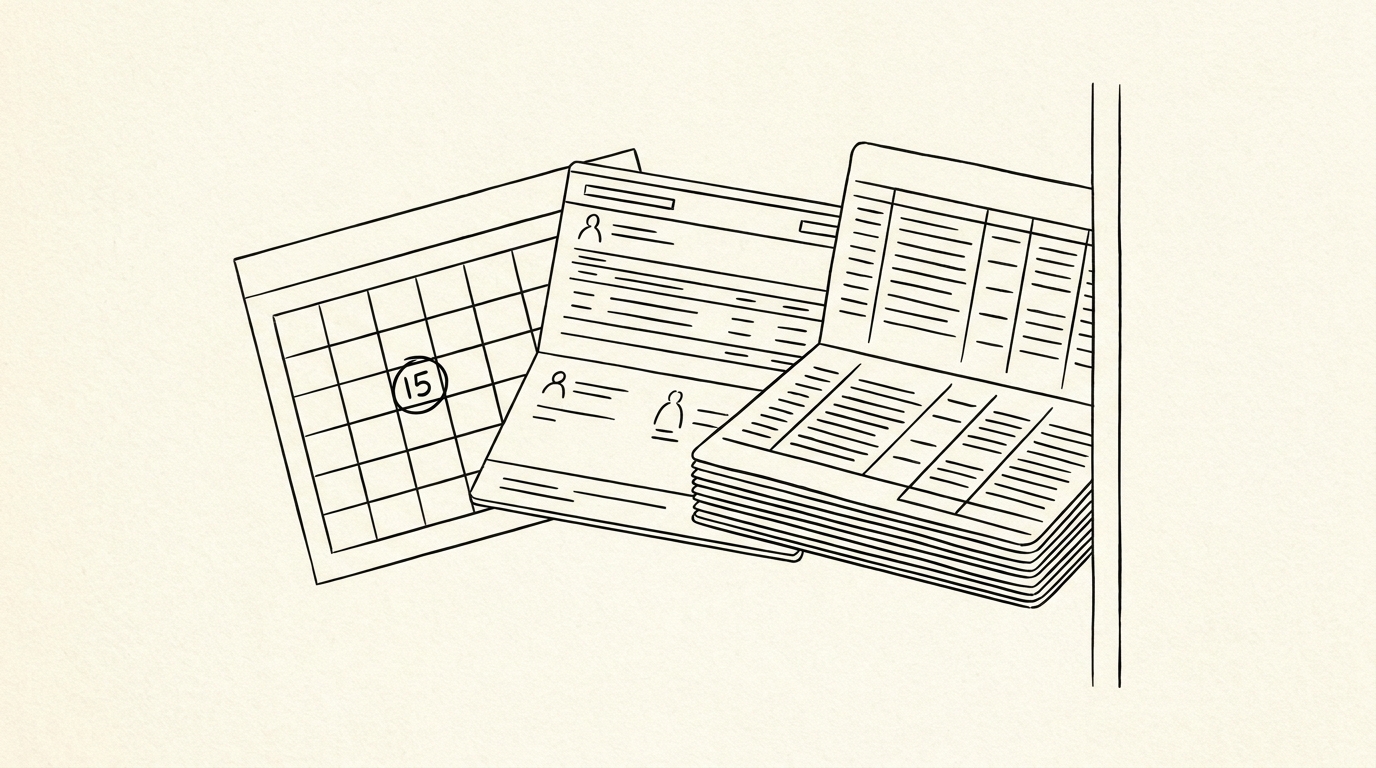
For most US banks, the cutoff is the statement period end date, which is the last day of the monthly statement cycle. If a customer’s statement cycle runs from the 5th of one month to the 4th of the next, the cutoff is the 4th. Any transaction that posts before midnight on the 4th belongs to the current statement; any transaction that posts on the 5th or later belongs to the next statement. The cutoff is set by the bank, not the customer, which is why reconciliations typically follow the bank’s statement cycle rather than the calendar month.
The cutoff matters for 3 groups: bookkeepers reconciling the books, accountants preparing the financial statements, and tax preparers filing the returns. For bookkeepers, the cutoff determines which transactions are “this month’s” and which are “next month’s.” For accountants, the cutoff determines the period end for the financial statements. For tax preparers, the cutoff determines the year the transaction counts toward. A small cutoff error can cascade into a financial statement restatement or a tax filing amendment, which matters because both are expensive to fix.
The 4 Cutoff Variants
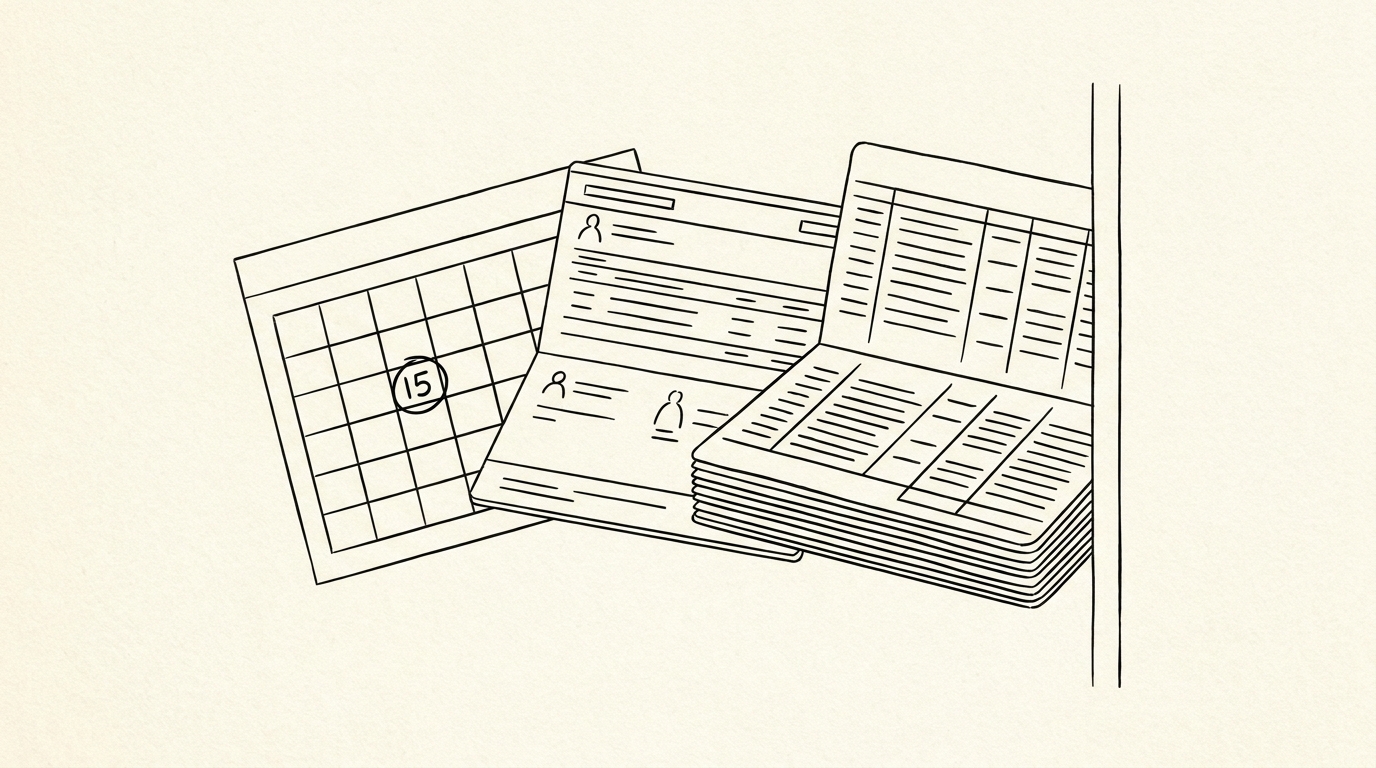
4 cutoff variants exist in the US banking system, and the right one depends on the bank’s policy and the customer’s needs:
1. Statement period end (default). The last day of the monthly statement cycle. Most US banks use this as the default. The statement period runs from the day after the previous period end to the period end date. Transactions posting during that window belong to the statement.
2. Posting date. The date the bank processes the transaction, which can differ from the transaction date by 1-3 days for checks and ACH. A check written on the 28th of the month but not deposited until the 2nd of the next month posts on the 2nd (or later). For cutoff purposes, the posting date is the relevant date for “which month does this transaction count in.”
3. Value date. The date the funds become available, which can differ from the posting date for holds, pending transactions, and check deposits. For most bank reconciliation purposes, the value date is less relevant than the posting date, but for cash flow forecasting, the value date matters because it determines when the cash actually hits the account.
4. Bank-defined cutoff. Some banks define a specific cutoff time (e.g., 5 PM Pacific on the last business day of the month) for certain transaction types (e.g., wire transfers). Transactions initiated after the cutoff time are processed on the next business day, which can push them into the next statement period. This is a common source of reconciliation errors for businesses that initiate wires at the end of the month.
For most bank reconciliation purposes, the posting date is the right cutoff. The statement period end is the broader window, but the actual cutoff for a specific transaction is the posting date. For the comparison of these variants, see the recon cutoff comparison page.
From PDF to Excel in one click
Forget retyping line by line. Upload any bank statement, get a spreadsheet you can actually use. Your files are never stored, and you can test the converter with 3 free conversions.
Try it freeThe Bank Holiday and Weekend Problem
Bank holidays and weekends create a specific cutoff problem: transactions initiated on a non-business day do not post until the next business day, which can push them across the cutoff boundary. A wire transfer initiated at 4 PM on Friday the 28th (the last business day of the month) does not post until Monday the 31st, which is a different statement period if the cycle ends on the 28th.
The fix: initiate month-end wires and ACH transfers at least 2 business days before the cutoff. For businesses with month-end deadlines, this means planning the wire schedule in advance rather than waiting until the last day. For bookkeepers reconciling, this means flagging any transaction that initiated before the cutoff but posted after as a “cutoff edge” and noting it in the reconciliation log. For multi-currency businesses, the holiday calendar of the destination country matters too, which is why the cutoff is more complex internationally than domestically.
A common failure mode bookkeepers report is the business that initiates a wire on the 30th of the month, expecting it to count for the current month, but the wire posts on the 2nd of the next month because of a bank holiday. The fix: build a 3-business-day buffer into the monthly clos
e calendar, and reconcile against the posting date, not the initiation date.
Cutoff and Month-End Close for Bookkeepers
For bookkeepers doing month-end close, the reconciliation cutoff is the deadline for the close. The standard month-end close process is: (1) collect all transactions for the period through the cutoff date, (2) reconcile the bank statement against the books, (3) identify and resolve discrepancies, (4) post adjusting journal entries, (5) close the period in the accounting software. The cutoff is the end of step 1, but it affects all subsequent steps because any transaction that posts after the cutoff but belongs to the period is a “subsequent event” that may need to be accrued or noted.
For businesses with high transaction volume, the cutoff is typically the last business day of the month, not the last calendar day. This gives the bookkeeper a clean cut and avoids the weekend/holiday problem. For the full month-end close workflow, see the month-end close workflow page and the bookkeeper workflow page.
For the broader reconciliation process beyond month-end, see the bank statement reconciliation and the
f=”https://easystatementsheet.com/blog/bank-statement-conversion-checklist/”>bank statement conversion checklist
Multi-Currency and Multi-Entity Cutoff Complications
For multi-currency businesses, the cutoff determines which exchange rate to use. A transaction in euros that posts on March 31 uses the March 31 exchange rate for the financial statements, even if the customer paid in February. The cutoff is the date that matters for the rate, which means the cutoff policy must specify both the date AND the rate source (e.g., the daily rate from the Federal Reserve, the closing rate from the European Central Bank).
For multi-entity businesses (a parent company with multiple subsidiaries), the cutoff is typically aligned across all entities so the consolidated financial statements cover the same period. If one subsidiary closes on the 30th and another on the 31st, the consolidation has a one-day gap that must be either bridged with an adjusting entry or accepted as a known difference. For the multi-entity workflow, see the multi-entity reconciliation page.
The 3 Common Cutoff Mistakes
3 mistakes that consistently cause cutoff-related reconciliation errors:
1. Assuming posting date equals transaction date. For checks and ACH, the posting date can be 1-3 days after the transaction date. For wire transfers initiated at the close of business, the posting date can be the next business day. The fix: always reconcile against the posting date, not the transaction date, and flag any transactions where the difference is more than 1 day as a cutoff edge case.
2. Ignoring bank holidays and weekends. Transactions initiated on a Friday or before a bank holiday do not post until the next business day. The fix: build a 2-3 business day buffer into the close calendar, and document any transactions that post in the next period as cutoff edges.
3. Not specifying the cutoff variant in the reconciliation policy. If the reconciliation policy does not specify whether the cutoff is the statement period end, posting date, or bank-defined cutoff, different bookkeepers will use different dates, which leads to inconsistent reconciliations. The fix: write the cutoff policy into the close procedure document, and reference the same cutoff in the reconciliation workpapers.
Start with the Workflow
The fastest path is to start with the conversion step, which produces the data that every other step needs. The bank statement converter handles the PDF-to-Excel step in 2-5 minutes, with no upload to a server.
For a complete reference of the terms used throughout this article, see the bank statement glossary.
Turn That PDF Into a Spreadsheet in Minutes
You've seen how to do it manually — now let the tool handle the heavy lifting. Upload your bank statement and get Excel, CSV, or QBO in a few clicks.
Try It Free